Rittal

Why Panel Shops Are Moving to Automated Busbar Panel Modification

Overview

  • As panel shops move from traditional cabling to busbar, they are faced with an important decision: manual busbar modification or automated busbar modification?
  • Panel shops that choose automated busbar modification are faced with an additional decision: outsourced or in-house?
  • Automated busbar modification is faster, less error-prone, more precise, less wasteful, and offers a variety of other benefits.
  • Rittal Automation Systems machinery for busbar modification is helping panel shops to bring automated modification in-house so they can reap these benefits.

The move away from traditional cabling and toward busbar continues, and many panel shops I’ve talked to lately are facing challenges with keeping up with demand. Their customers increasingly want copper busbar, and it’s no surprise. For high-amperage systems, such as those above 1000A, they can’t use cables because they’ll melt. Copper is a great conductor of electricity that handles heat well and helps suppliers in fields like energy & power meet safety standards like UL 891.

In addition to greater demand for busbar from the energy & power sector, panel shops are seeing increasing demand from data centers, where busbar is prized because of its space-saving efficiency, flexibility, and reliability. IT applications are only expected to grow with the advancement of AI, with its massive computing and data storage needs.

Rittal is helping panel shops all over the U.S. make the transition to busbar and capitalize on this demand. From mom-and-pop shops to huge operations, I work with Rittal customers to provide a range of busbar solutions. Sometimes this involves completing busbar modification jobs for customers at the Rittal Application Center (RAC) in Houston, Texas. Lately, though, I’ve had several customers invest in automated busbar modification machinery of their own. Here’s why.

Manual vs. automated busbar modification options

The panel shops I work with are usually producing modified busbar in one of two ways: they are manually modifying it themselves using hand tools or they are outsourcing modification to a facility like the RAC.

Shops are incentivized to move from manual modification to automated modification when they realize that automated modification is:

  • Faster: What might take an operator 15 minutes takes machinery 30 seconds.
  • Less error-prone: Humans make mistakes, but mistakes with busbar are expensive because the price of copper is very high.
  • More precise: Machinery can more easily achieve the strict tolerances required for busbar modification.
  • Less wasteful: Because they are more precise and make fewer mistakes, machines produce less scrap — again important due to the high price of copper.
  • Less reliant on individual operators’ expertise: Manual modification means shops come to depend on specific operators, and operator departures can create problematic knowledge gaps. In a world where shops are competing for skilled labor, automation can help create a centralized knowledge base.

Automated modification is the obvious winner, but outsourcing busbar modification has its pros and cons. The RAC does a fantastic job producing custom modified busbar in as little as a few days, and Rittal provides a turnkey solution that allows customers to buy cabinets and busbar together. There are cases, however, where it is more cost-efficient for growing panel shops or those with very large orders to invest in in-house automation equipment. Plus, with their own machines, shops are able to better control busbar modification lead times — a big pro for many of the shops I work with.

CMA/Flodyne/Hydradyne is an authorized  Rittal distributor in Illinois, Wisconsin, Iowa and Northern Indiana.

In addition to distribution, we design and fabricate complete engineered systems, including hydraulic power units, electrical control panels, pneumatic panels & aluminum framing. Our advanced components and system solutions are found in a wide variety of industrial applications such as wind energy, solar energy, process control and more.

New VX Hybrid Double Door Enclosure Simplifies Configuration and Installation

OVERVIEW

  • Rittal’s new VX Hybrid Double Door enclosure is a single-solution industrial enclosure that combines simplicity and durability
  • NEMA 4 and NEMA 4x protection options make the VX Hybrid Double Door enclosure a versatile solution for a variety of industrial applications
  • The VX Hybrid Double Door enclosure offers maximum rigidity without additional weight to optimize protection without sacrificing mobility
  • The VX Hybrid Double Door enclosure is manufactured at Rittal’s Urbana, Ohio facility to help reduce delivery times

One of the biggest benefits with modular enclosures is how they simplify and accelerate configuration and installation in service of helping companies reduce lead times and navigate labor shortages. Plus, the modular design of such enclosures helps reduce your bill of materials (BOM) and makes it easier to maintain enclosures in the field.

However, it can be a challenge finding a modular enclosure that marries this level of flexibility with the required durability and rigidity necessary for deployment in more intense or extreme industrial applications. This kind of enhanced protection was usually reserved for unibody enclosures, but Rittal’s new VX Hybrid Double Door enclosure changes the game, providing exceptional durability and rigidity without complicating the configuration and installation process.

There are a couple of key design features that make this double door industrial enclosure a unique option in today’s market. Here are a couple of ways in which the new VX Hybrid Double Door enclosure combines simplicity, protection, and performance.

Modular design with NEMA 4 and NEMA 4x protection

The industrial space has always been one of challenging or harsh operating conditions, requiring industrial enclosures that can combat a variety of environmental hazards. But the evolution of the industrial space — and manufacturing in particular — to include more outdoor and 24/7 production parameters increases the need for industrial enclosures with higher NEMA ratings.

CMA/Flodyne/Hydradyne is an authorized  Rittal distributor in Illinois, Wisconsin, Iowa and Northern Indiana.

In addition to distribution, we design and fabricate complete engineered systems, including hydraulic power units, electrical control panels, pneumatic panels & aluminum framing. Our advanced components and system solutions are found in a wide variety of industrial applications such as wind energy, solar energy, process control and more.

Here’s Why Companies Are Making the Move to Integrated Enclosure Cooling

As the industrial landscape diversifies and becomes more complex, companies are looking for industrial enclosure and cooling solutions that can make processes simpler, more automated, and more efficient.

Smart automation solutions remove inefficient manual processes that lack visibility and transparency — particularly in the enclosure climate control space — now that integrated enclosure cooling has emerged as a flexible and versatile configuration of enclosure cooling.

Integrated cooling reduces the amount of external equipment necessary to dissipate heat and maintain optimal operating temperatures while providing more targeted, energy-efficient cooling.

Let’s look at a couple of key benefits of integrated enclosure cooling to better understand why companies are embracing this method of enclosure climate control.

Integrated enclosure cooling reduces your BOM and overall automation footprint

Integrated enclosure cooling helps mitigate the complexity of climate control by simplifying your bill of materials (BOM). This helps reduce the number of enclosure cooling units and accessories designers need to specify in order to ensure enclosures operate at peak performance.

Eliminating the number of externally mounted cooling units or accessories helps conserve valuable production room space and makes it easier to leverage cooling in more unique or challenging floorplans. A simplified BOM with a significantly reduced list of part numbers also streamlines and accelerates the process of installing and assembling equipment on the factory floor.

This is an important benefit given market forces like labor shortages and cost — time is money, and integrated enclosure cooling can help save on both.

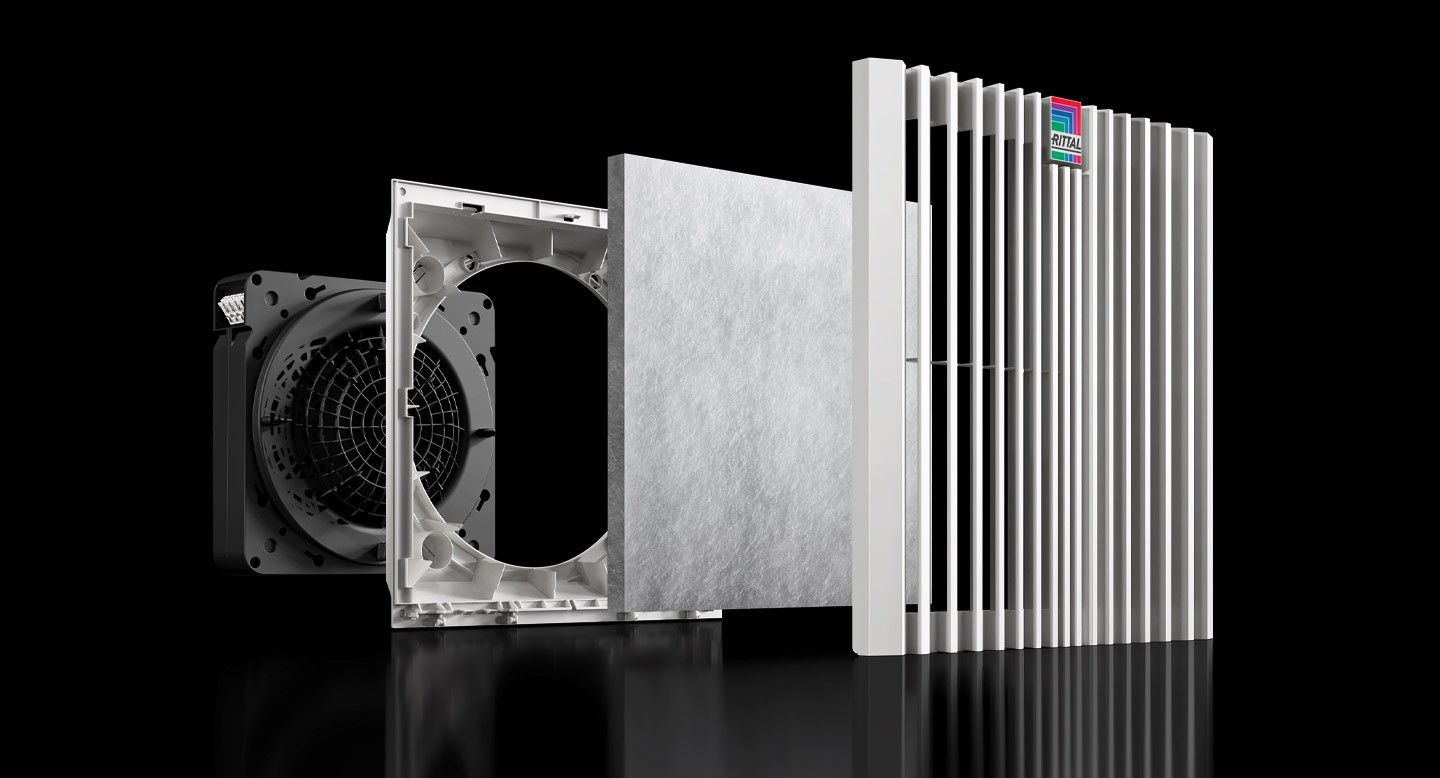
Rittal TopTherm Filter Fan Units with EC technology

Integrated enclosure cooling simplifies maintenance and upkeep processes

Most integrated enclosure cooling units use a fan-filter operating model to cool the enclosure and ensure peak performance. Compared to other enclosure cooling solutions, these fans and filters have fewer components and are quicker and easier to service or clean. The simplified design increases application and deployment flexibility while making maintenance and troubleshooting both faster and easier.

The Rittal NEMA 3R Vented Drive Box leverages an easy-to-access, top-mounted design to help accelerate routine maintenance and filter washing. These maintenance tasks can be conducted without the need for specialized tooling to minimize downtime, and filters can be quickly and easily replaced in the event that washing doesn’t quite do the trick.

Integrated enclosure cooling creates more targeted, efficient climate control

Integrated enclosure cooling units use high-performance fans to transfer additional thermal loads away from the enclosure. Not only does this help increase cooling efficiency, but it also helps reduce energy consumption and cooling costs via more direct, consistent cooling.

Fan-filter units help ensure optimal thermal management to prevent overheating and maintain efficient operation. What’s more, top-mounted fan-and-filter units allow for easy access, which makes it faster and easier to modify cooling outputs in real time based on production demands.

The Rittal NEMA 3R Vented Drive Box provides integrated cooling with an adjustable thermostat that comes standard with the enclosure for more precise cooling outputs and energy usage. In addition, the variable configurations of the NEMA 3R Drive Box mean companies can harness the power and cost-saving measures of integrated enclosure cooling in a wide range of applications, from uncontrolled indoor deployments to extreme outdoor sites.

But all this flexibility doesn’t come at the expense of protection and durability. The NEMA 3R enclosure offers superior corrosion resistance, complete with a three-phase surface finish and a silicone gasket to prevent contamination and extend the lifespan of your equipment.

Rittal’s commitment to innovative, efficient enclosure cooling goes well beyond the NEMA 3R enclosure. Our line of enclosure climate control equipment has a solution for every industrial cooling application or deployment, with an eye toward reducing costs, increasing productivity, and elevating sustainability.

Learn more about our industrial enclosure and enclosure cooling solutions.

CMA/Flodyne/Hydradyne is an authorized  Rittal distributor in Illinois, Wisconsin, Iowa and Northern Indiana.

In addition to distribution, we design and fabricate complete engineered systems, including hydraulic power units, electrical control panels, pneumatic panels & aluminum framing. Our advanced components and system solutions are found in a wide variety of industrial applications such as wind energy, solar energy, process control and more.
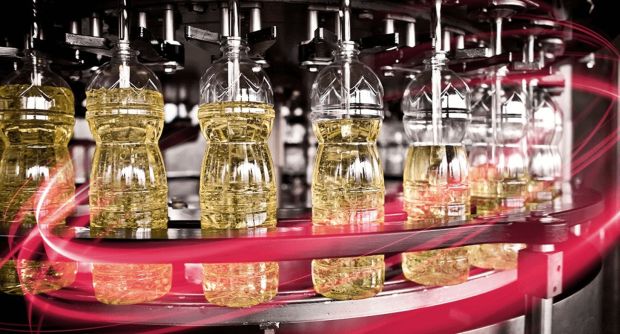
Brewing Sustainability: How a Coffee Manufacturer Cut Energy Costs by 72%

Introduction

The food and beverage industry relies on innovative solutions to remain energy-efficient and sustainable. At a renowned coffee manufacturer’s research and production facility, cutting-edge solutions are continually explored to support advanced product development. The facility, which has optimized processes like freeze-drying roasted coffee, partnered with Rittal to address the energy challenges associated with enclosure cooling.

The Challenge

The coffee manufacturer’s research center required a solution to address the exploitation of energy in cooling while reducing CO2 emissions. With the facility’s focus on innovation, identifying a technology that combined efficiency and reliability was paramount. The goal was to integrate a more sustainable solution while cutting energy costs. Thankfully, Rittal had the perfect solution for the situation.

The Rittal Solution

Rittal proposed a year-long comparative test of the in-service Blue e cooling units and the enhanced Blue e+ cooling units, which are currently the most energy efficient thermal solutions on the market. Both units were mounted on identical Rittal enclosures already in operation at the facility. During the test, Rittal provided the Blue e+ cooling unit, measurement protocols, and monitoring devices. Results demonstrated a 72% reduction in power consumption with the Blue e+ unit, all thanks to a hybrid cooling approach that combines speed-controlled compressors and innovative heat pipe technology. The system’s advanced design ensures optimal cooling capacity, energy efficiency, and seamless digital monitoring, meaning that the temperature inside the enclosure remains steady and consistent without large spikes and valleys of energy usage.

Energy efficiency for coffee manufacturing

The Results

The impressive 72% reduced energy consumption not only helped the coffee manufacturer significantly lower energy costs but also contributed to their sustainability goals by reducing CO2 emissions. By implementing advanced cooling technology, the manufacturer transformed their operations beyond what is possible with other leading solutions on the market. Additionally, the Blue e+ unit’s digital interfaces enabled real-time data access and fault alerts, ensuring improved system reliability over time.

Conclusion

We are always motivated to help genuine innovations make a real breakthrough,” said the project manager for the coffee manufacturer. By leveraging the advanced capabilities of the Rittal Blue e+ cooling system, the coffee manufacturer achieved its goals of energy efficiency, sustainability, and operational cost reduction for many more years of excellent brews.

Contact Rittal for Energy-Efficient Solutions

Are you seeking a more sustainable and cost-effective cooling solution for your facility? Explore how Rittal’s advanced cooling technologies can optimize your operations. Contact us today to learn more about how you can optimize your processes, from engineering to operations and maintenance.

CMA/Flodyne/Hydradyne is an authorized  Rittal distributor in Illinois, Wisconsin, Iowa and Northern Indiana.

In addition to distribution, we design and fabricate complete engineered systems, including hydraulic power units, electrical control panels, pneumatic panels & aluminum framing. Our advanced components and system solutions are found in a wide variety of industrial applications such as wind energy, solar energy, process control and more.

Thinking Outside the Box: Why Energy-Efficient Enclosure Climate Control Units Are Important For Food and Beverage Manufacturers

Industry spotlight

Poultry has been one of the food and beverage industry’s biggest growth areas in recent years, and projections indicate this growth shows no signs of slowing down — in fact, a recent report estimates the poultry market will grow by more than 6% annually through 2028.

This is just one example — pet food and plant-based foods being a couple others — of why food and beverage producers need to unlock new levels of productivity and efficiency to meet customer demand and seize opportunities in new or emerging markets.

While much of the discussion around optimized efficiency in the food and beverage automation space revolves around specifying industrial enclosures specifically designed to support high hygienic standards, energy-efficient climate control units play an important role in helping manufacturers create more precise, targeted cooling while reducing their energy usage and costs.

With this in mind, let’s look at a couple of reasons why design engineers should consider energy-efficient enclosure climate control units when designing an automation infrastructure for food and beverage manufacturing sites.

Energy-efficient enclosure climate control units help manufacturers facilitate more diverse production lines

The food and beverage industry is an increasingly diverse playing field with the continued growth of plant-based meat alternatives, dairy-free milk, gluten-free snacks, and a variety of other product categories. The rise in popularity of these kinds of products is pushing more traditional food and beverage producers to launch their own plant-based or dairy-free options while still maintaining production volumes of their existing products.

What complicates the matter even more is that much of this production happens concurrently in the same facility, and because these products require their own distinct production lines, manufacturers are tasked with designing cooling systems that can adequately cool several production lines while also offering configuration flexibility and reducing a producer’s automation footprint.

Rittal’s new Blue e+ S smart enclosure cooling unit provides superior deployment flexibility with precise, highly targeted cooling outputs to keep enclosures operating at optimal temperature levels. Lower output categories of .3 kW, .5 kW, and 1 kW help manufacturers reduce their energy consumption and costs, and the use of innovative heat pipe and inverter technology eliminates the need for a compressor or expansion valve, which significantly cuts the amount of energy necessary to operate the unit — in fact, the Blue e+ S can reduce overall energy consumption by 75%.

The first step in better understanding the kind of cooling unit infrastructure necessary to facilitate multiple production lines is evaluating your current climate systems in order to identify potential deficiencies or liabilities. With a Rittal climate control efficiency analysis, manufacturers can increase the efficiency of their cooling systems by consolidating the number of cooling units — all without sacrificing performance or cooling output.

Energy-efficient climate control units help food and beverage manufacturers better align with sustainability initiatives

A survey conducted last year by the International Data Corporation found that 40% of food and beverage manufacturers said sustainable manufacturing was a top priority. The rise of sustainability as a top-level concern among manufacturers mirrors the importance and value consumers put in more eco-friendly manufacturing processes, and the dovetailing of these two creates some game-changing opportunities for manufacturers to use natural resources like energy in a more efficient, strategic way.

One way food and beverage manufacturers can reduce their impact on the environment is eliminating the use of harmful components or chemicals commonly used in industrial cooling units — in fact, the elimination of environmentally damaging chemicals as a means of reducing your overall carbon footprint is a large component of the new UL/CSA 60335-2-40 Standard, which is currently active and will be mandated for products certified to UL 1995 after January 1, 2024.

The engineering innovations that make up the Blue e+ S significantly reduce carbon emissions in part by using a refrigerant with a Global Warming Potential (GWP) that is 56% lower than those used in comparable cooling units to minimize carbon dioxide emissions.

Rittal’s Blue e+ S line of enclosure cooling units are also built upon a fully-integrated IIoT interface that allows for digital monitoring and condition reporting to help manufacturers better understand the state of their cooling units on a 24/7 basis.

Remote monitoring, cooling unit alerts and notifications, and user-friendly LED displays make it easier than ever before to adjust the temperature of your cooling unit based solely on the amount of cooling required, and this real-time flexibility helps you eliminate energy waste and align with consumer expectations and compliance on sustainability.

Bonus: Our energy-efficient enclosure cooling units can help enhance and support the sanitation of your production facility

Who says you can’t specify energy-efficient enclosure cooling units that also support increased sanitation and hygiene in your food and beverage production facility? With Rittal enclosure cooling units, industry-leading cooling efficiency and elevated sanitation are at your fingertips. 

Our Blue e+ cooling unit can not only help you reduce your energy costs by up to 75%, but hose-proof hoods also provide increased protection from the ingress of water or chemicals used during intense, regular washdowns. The hood design of the Blue e+ also helps reduce the likelihood of liquid pooling, which can be a breeding ground for bacteria and contamination.  

What’s more, our air-to-water heat exchangers come standard with a 30° angled roof design, water-resistant and joint-free seals, water connection flexibility, and smooth external surfaces to reduce dust buildup, which is a common challenge in food and beverage facilities that process nuts that are used in dairy and meat-free products.

Not only can Rittal help food and beverage manufacturers think outside the box when it comes to designing automation systems for food and beverage facilities, but our enclosure cooling units are designed to help food and beverages companies adopt a more energy-conscious approach to manufacturing while also optimizing their processes.

CMA/Flodyne/Hydradyne is an authorized  Rittal distributor in Illinois, Wisconsin, Iowa and Northern Indiana.

In addition to distribution, we design and fabricate complete engineered systems, including hydraulic power units, electrical control panels, pneumatic panels & aluminum framing. Our advanced components and system solutions are found in a wide variety of industrial applications such as wind energy, solar energy, process control and more.
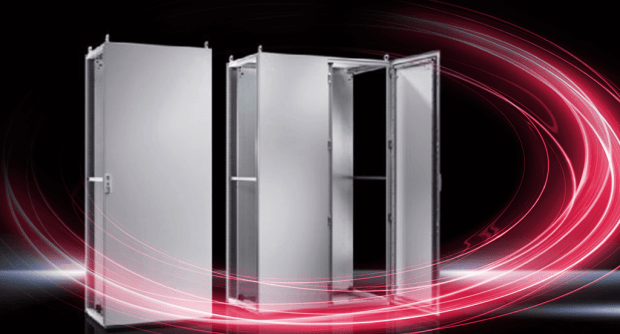
What Design Features to Look for in a Standard Modular Enclosure

The National Association of Manufacturers (NAM) identified the need to create growth and expand facilities as one of the top trends for manufacturers in 2023. However, the ability to create long-term, sustainable growth hinges on the efficiency and adaptability of your automation infrastructure.

When it comes to large enclosures, the choice usually comes down to unibody construction versus a more modular approach. Designing around standard modular enclosures has a much higher ceiling in terms of unlocking new growth opportunities, in part because a more modular approach to enclosure design can help manufacturers maximize production floor space while still maintaining high levels of strength and security — particularly in the automotive or material handling space. 

The challenge with spec’ing modular enclosures? Understanding which design and engineering components can help manufacturers build an automation system that is more versatile and agile. Here, let’s examine which design features to look for in choosing standard modular enclosures for your manufacturing facility. 

Flexible — and simple — enclosure configurations

One of the hallmark design features of standard modular enclosures is configuration flexibility to help manufacturers reduce their automation footprint or adapt to space constraints on the factory floor. Design elements such as interchangeable panels, removable and reversible doors, variable mounting plate positions, and compatibility with wall partitions inside the enclosure make it easy to customize or tailor individual enclosures based on any number of application needs. 

What’s more, innovative modular frame structures create both inner and outer mounting levels inside the cabinet, which allows for more electronics within the enclosure. Plus, modular enclosures also create increased opportunities for baying on all sides in just minutes using a simple parts list of brackets, clamps, and other standardized tools. This allows for integration into spaces with size limitations, and it also provides a variety of connection configurations that make for easy cabinet wiring regardless of the application.

Faster, more efficient configurations and simplified installations also help optimize efficiency by streamlining tedious, time-wasting manual processes that once required high degrees of human intervention. Standard modular enclosures like Rittal’s TS 8 can also be configured without the need for specialized tooling, which helps reduce operational costs and maximizes production uptime. 

Strength and protection in uncontrolled manufacturing environments

One of the more pervasive myths about standard modular enclosures is that they lack the strength and security of more traditional unibody enclosures. The truth, however, is that modular enclosures are just as strong and durable even in the harshest manufacturing environments, and the modular design principle actually enhances the capacity to protect interior components. 

For example, the ease of plinth assembly and installation and simplified floor mounting process makes standard modular enclosures ideal for harsh, uncontrolled manufacturing environments. Additionally, a carbon steel base and enclosure frame and zinc-plated carbon steel mounting panels allow for superior rigidity and support. This frame-based design also provides 30% more stability with 15% less frame weight without sacrificing protection or reliability.

In terms of increased strength and security, Rittal’s line of standard modular enclosures are NEMA 4 and IP 66 rated to provide superior protection against the intrusion of potentially damaging particles, and four-point latches and seals prevent the entry of corrosive materials that could increase maintenance intervals and reduce the service life of the enclosure.

Our modular approach to enclosure design can also help protect your automation infrastructure by reducing the likelihood of electrical fault or arc flash. Rittal’s TS 8 flange mount disconnect enclosure utilizes mechanical interlocking doors to prevent entry while the enclosure is energized. In addition, the TS 8 flange mount disconnect modular enclosure can house adapter plates for high or low amperage disconnect handles to help reduce the risk of arc flash events.

Compatibility with the digital transformation in modern manufacturing

The variety of design configurations with standard modular enclosures means automation designers and engineers need the utmost visibility into each step of the engineering process. Such high levels of transparency are only achievable via a complete digital transformation of this process, and this is where combining modular enclosure systems with digital CAE platforms can help automation architects design smarter and better.  

For example, Rittal’s TS 8 standard modular enclosure is compatible with Eplan’s suite of design solutions to help engineers streamline workflows for installing electrical controls and panel assembly and wiring. 

In addition, pairing Rittal’s standard modular enclosures with Eplan’s powerful design platforms can help manufacturers overcome a variety of challenges in modern manufacturing, including: 

  • Increasing pricing pressures to be able to provide the right product at the right time within the right budget, especially as competition breeds a race to the bottom line
  • Skilled labor shortages that can result in increases in scrapped materials and revisions/alterations
  • Delivery pressures due to the rapidly changing and real-time demands to which manufacturers must respond 
  • Inefficient workflows via antiquated data capture, storage, and communication systems

Plus, the increased visibility and insight into your panel assembly and wiring processes also helps create a more connected ecosystem, and this is important in helping manufacturers better identify areas to increase their overall efficiency and productivity.

Curious about the other design features that make standard modular enclosures the ideal solution for manufacturers who are looking to grow and expand? Download our interactive modular enclosures guide to learn more. 

CMA/Flodyne/Hydradyne is an authorized  Rittal distributor in Illinois, Wisconsin, Iowa and Northern Indiana.

In addition to distribution, we design and fabricate complete engineered systems, including hydraulic power units, electrical control panels, pneumatic panels & aluminum framing. Our advanced components and system solutions are found in a wide variety of industrial applications such as wind energy, solar energy, process control and more.
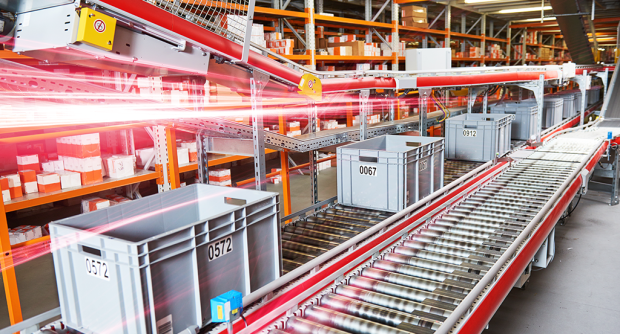
Expert Advice: Retrofitting a Facility for Warehouse Automation

Guest Contributor:  Rittal North America LLC

The material handling industry has experienced some massive changes during the last few years: the acceleration of e-commerce, expansion into new and emerging markets, emphasis on rapid delivery, and increased importance of speed to market, to name a few.

As a result, material handlers are faced with the choice of expanding their operations either through new parcel processing facilities or retrofitting existing warehouses with state-of-the-art automation equipment. 

While the challenges of building a new automated warehouse are fairly cut and dry — location, resources, cost, and construction time — the hurdles that arise when retrofitting an existing facility for automation are more complicated. To help engineers in the material handling industry understand what they need to know when retrofitting a warehouse for a modern automation infrastructure, we’re giving the floor to a couple of our industrial automation experts:

img-250x250-SalHeadshot

Sal Falzone, Rittal Vertical Marketing Manager, Retail & Logistics

img-250x250-SemihHeadshot

Semih Kocahasan, Account Manager

In this blog, Sal and Semih will discuss in their own words what material handlers should consider when retrofitting a facility for warehouse automation.

The importance of working around a smaller automation footprint

The first thing engineers and designers need to consider when retrofitting for automated material handling is the square footage of the space and the automation footprint necessary to facilitate the vast number of parcels that will be processed in the facility. 

Sal Falzone: Those looking to retrofit old facilities or those that were not used in this way will have to use different technologies. For example, overhead conveyor systems are one way to get creative with the lack of physical floor space in some of these facilities. 

Overhead conveyor systems utilize the space above the warehouse floor and such systems will require a compact industrial enclosure with variable mounting options and wiring flexibility within the box itself. 

Rittal’s AX compact enclosure is a wall mounted enclosure that can be easily customized to suit the needs of specific industrial applications without sacrificing the protection and security of mission-critical electronic components.

Semih Kocahasan: We’re seeing more and more small enclosures like the AX being spec’d for retrofitted material handling facilities — in fact, we’re also seeing small enclosures being used in new warehouses as well. I think that speaks to the versatility of the product.

The need for speed in material handling

The material handling industry is perhaps one of the most competitive in today’s market. The sheer number of parcels in the pipeline and the variety of material handlers processing them means the need for speed has never been greater. Prolonged lead times, disruptions in productivity, or unplanned maintenance intervals can be significant stumbling blocks. That’s why material handlers need industrial enclosure solutions that can be delivered and deployed quickly and easily. 

While supply chain disruptions are a common culprit in bogging down productivity, customization of industrial enclosures for use in retrofitted warehouses plays a significant role in deployment and integration delays. 

Semih Kocahasan: Speed really is the top concern for those looking to retrofit right now, especially with material scarcities and labor shortages. Standard enclosures that can be flexible in how they’re configured on the floor can not only increase speed-to-market, but  also provide assemblers and integrators more options in configuring the enclosure based on the need or specific application. 

Rittal’s VX SE Freestanding Enclosure System is a standard product that combines durability, versatility, and reliability for use in any material handling facility. 

Sal Falzone: The VX SE is a really interesting combo of a traditional unibody enclosure and a modular enclosure. That combination of protection and flexibility opens a lot of doors for material handlers as they evaluate the challenges of retrofitting while also weighing how quickly their enclosures can land at their loading dock and then be installed on the factory floor. 

The VX SE can easily be scaled based on demand or space constraints. The VX SE offers a wide range of dimensions with widths up to 1800 mm to replace up to three baying enclosures and depths starting at 300 mm for confined production applications. In addition, IP 66 and NEMA 4/4X ratings provide superior protection against harsh environmental conditions. 

Semih Kocahasan: Shortening your lead times is really the biggest pain point in retrofitting a space for warehouse automation. Companies that can alleviate that by going with standard products will put themselves in the best position to succeed.

Learn more about our products and solutions designed specifically for use in the material handling industry.  

Categories: Retail and Logistics

cropped-cmafh-logo-with-tagline-caps.png

CMA/Flodyne/Hydradyne is an authorized  Rittal distributor in Illinois, Wisconsin, Iowa and Northern Indiana.

In addition to distribution, we design and fabricate complete engineered systems, including hydraulic power units, electrical control panels, pneumatic panels & aluminum framing. Our advanced components and system solutions are found in a wide variety of industrial applications such as wind energy, solar energy, process control and more.
4 Applications that Benefit from LCP DX-Based Liquid Cooling

Guest Contributor, Herb Villa, Rittal

Liquid cooling of IT equipment, now at the row level instead of for an entire white space, is gaining momentum in the distributed data center world, where the demand for efficiency in cooling higher density racks is making IT professionals rethink their reliance on traditional methods. Various liquid cooling technologies – direct-to-chip, immersion, direct expansion and others – are winning favor in the different IT spaces. Why? Because they bring heat removal closer to the equipment, require little if any changes to infrastructure, and are easy to scale as demand grows; when you need to add more racks, additional cooling capacity is achieved with the cooling systems supporting increased IT enclosures.

Liquid cooling is especially advantageous for small and medium-sized businesses that have on-premise servers mounted in one or more enclosures. Many of the IT professionals supporting these organizations are forced to put these in some remote, out-of-the-way space within the building, assuming (wrongly) that as long as the building’s HVAC system has a vent terminating in that room, cooling the equipment won’t be a problem.

But we’ve seen that “comfort cooling,” which is the job of a facility’s HVAC system, isn’t adequate for server rack cooling and the demands of heat-generating IT equipment. Those demands are non-negotiable: precise temperature and humidity control, and proper airflow to get the heat away from the equipment.

Focusing on just a few different market sectors can illustrate the demands of the new IT environment. Hospital & healthcare, schools, factory floor, distribution centers are all examples of the types of organizations and facilities often forced to utilize spaces never intended to support the climate control needs of IT equipment: unused offices, janitors’ closets, corners of basements, etc. And because all rely on data to run their businesses, they’re all at risk of system failure because they aren’t addressing the critical climate needs of their IT investments.

Enclosure Climate Control in Hospitals

Data is critical in ensuring quality patient care and the smooth, efficient performance of even the smallest healthcare facilities. Hospitals, clinics and physician practice groups rely on IT equipment to store and transfer data among departments, achieve operational efficiency and maintain compliance using enterprise resource planning (ERP) systems. Without proper temperature, humidity and airflow control, the IT equipment that processes and stores necessary data could fail, and the cost of downtime and potential lost data is immeasurable.  There is also extremely limited space to place these systems; after all, the main business of a hospital is patient care, not IT.  Especially today in the midst of a global pandemic, healthcare facilities must maximize space for their patients, not their IT appliances.

Data Center Cooling in Education/School Campuses

What happens when a school’s “comfort cooling” system can’t keep up with all the heat being generated by the server room’s IT equipment (if they are lucky enough to even have such a space)? These systems are intended to keep humans comfortable, not maintain the precision and optimal air flow needed to remove heat generated by the IT equipment. Schools rely on IT equipment to help maintain productivity, organize data, and reduce time and effort of work that would otherwise be manual. Servers and processors enable insights that help administrators allocate the right resources to the right areas at the right time, connect campuses and departments, and speed communication between students, teachers, administrators and parents. And as with the healthcare sector, COVID-19 has placed enormous demands on bandwidth and compute capability as school systems have become virtual classrooms supporting remote learning applications and programs. This means more equipment, more heat, and less available installation space.

Server Rack Cooling in Manufacturing

Manufacturing facilities represent some of the most uncontrolled environments in which to place IT equipment. Wide temperature ranges, dust, debris, moisture and corrosive elements are all enemies of smooth factory floor operations, and because there is often no dedicated IT room (or at least one designed for IT), the risk of equipment degradation and failure is very real. Manufacturing organizations rely heavily on manufacturing execution systems (MES) and ERP systems for visibility into all aspects of the supply chain and production, and for seamless integration between the shop floor and Billing, Sales, Operations, HR and other departments.

Climate Control Units in Distribution

Distribution warehouses are notorious for having subpar climate control: they’re often either too hot or too cold; when air conditioning is running, cold air is “dumped” to the floor and doesn’t mix with warmer air near the ceiling (and the opposite situation when the heat is running); air flow throughout the building is almost impossible to control; and air leaks from the inside to outside and vice versa are common. Imagine, then, the effect of a poorly controlled climate in a small room where heat is being generated.

Like manufacturing, warehousing and distribution rely on up-to-date information about inventory, customers (through a CRM tool), fleet management, marketing, shipping and more. When equipment is compromised by temperatures that are too high (and in some cases too cold), all the data that’s used to ensure optimum facility and system performance is at risk for failure.

The best solution for cooling racks for these types of organizations is one that’s similar to a building’s own AC – one that uses direct expansion (DX). Heat removal is achieved with a compressor / condenser refrigeration cycle to reach and maintain a setpoint temperature and humidity level but that is designed to work at the cabinet (sometimes called enclosure) level.

Rittal’s DX-based solution (part of the Liquid Cooling [LCP] family of products) is ideal for businesses, like those above, that have “mission-critical” data needs but less-than-ideal data room options. The close coupled LCP DX 20kW provides a single or multiple IT enclosures with up to 20kW heat removal capacity, available in both closed loop rack and open loop inline options. Some of the benefits of this solution include:

  • A small footprint, making it appropriate for nearly any location within the building
  • Precise temperature and humidity control that responds to varying equipment heat loads
  • Local climate control – airflow is provided to one or more cabinets in a closed system, or cooling to the entire space in an open airflow configuration
  • Simple maintenance – tool-less fan replacement, easy-to-access electrical connections and remote notification of all operational parameters
  • Redundancy – up to 8 units can be interconnected, with coordinated air flow, alarms, and time-of-day operation
  • Reduce the need for a dedicated room to support IT equipment.  With proper planning and physical security, it is possible to place these systems out on the floor or shared space. The costs to build and maintain a dedicated IT room are eliminated

LEARN MORE ABOUT OUR 20kW LCP RACK AND INLINE DX

Today, every organization, no matter the size or industry, relies on optimum IT equipment performance in order to meet its ongoing operational demands. If yours is putting rack cooling needs at the mercy of your building’s HVAC system, the risk of system downtime is very real, and the potential cost to operations significant. The best protection against system failure is to utilize IT cabinets with liquid cooling capabilities that offer precise control of temperature, humidity and airflow – all critical factors when it comes to ensuring that your organization’s work is never disrupted.

CMA/Flodyne/Hydradyne is an authorized  Rittal distributor in Illinois, Wisconsin, Iowa and Northern Indiana.

In addition to distribution, we design and fabricate complete engineered systems, including hydraulic power units, electrical control panels, pneumatic panels & aluminum framing. Our advanced components and system solutions are found in a wide variety of industrial applications such as wind energy, solar energy, process control and more.

IT Equipment Cooling: Why Your HVAC System Is a Poor Climate Control Unit

Guest Contributor: Herb Villa, Rittal

IT Managers working in small and mid-sized businesses often find themselves searching their buildings for unused space to house the company’s IT enclosures. Mail rooms, empty offices, janitors’ closets…all have been repurposed into data closets holding one to a few racks. This approach may be the right choice in terms of square footage needed, but when it comes to proper climate conditions for sensitive IT equipment, it could not be more wrong! At best, these spaces are cooled using only the building’s AC system. At worst? An open window.

A building’s existing air conditioning system (or combined heat and air conditioning system) is designed to create comfortable environments for employees – the reason they’re sometimes referred to as “comfort systems.” When IT racks need to be placed somewhere on site, it’s thought that “any old room” will do because AC ductwork usually terminates in these spaces. But the reality is that even if you were to add ducts to supplement the building’s AC, relying on a system designed for humans is not a good solution for IT equipment.

Server rooms need more targeted cooling to keep the temperature within a specific range and prevent the servers from overheating. According to ASHRAE (the American Society of Heating, Refrigerating and Air-Conditioning Engineers), the appropriate temperature range for server rooms is between 64.4 and 80.6 Fahrenheit. This requires a discrete cooling solution capable of monitoring and managing the temperature of both the equipment and the room. The same cooling system must also be capable of regulating humidity within the precise margins required by sensitive equipment. Finally, building HVAC will not provide sufficient air flow volume for heat removal from installed appliances; the CFM requirements for comfort cooling are significantly lower than airflow required to remove heat from the IT devices.

Five Enclosure Climate Control Challenges

Still think your building AC is up to the task? Here are some of the hidden risks you will be vulnerable to:

  • Contaminants. A repurposed space can be exposed to airborne dust, gasses and moisture that seep into the room and compromise the quality of the air and the performance of the equipment; these may not be adequately removed from the room using only the existing AC.
  • Reliability/redundancy. Even a short interruption in power supply to computer equipment can lead to loss of data, and the same is true for interruptions in cooling. Most buildings do not have redundant cooling in place and often an AC system breakdown can last hours – a costly risk for IT equipment.
  • Comfort systems cycle on and off. The temperature in the closet will decrease when the cooling system is on and increase when it is off, resulting in temperature swings throughout the day that can stress the equipment more than a consistent higher temperature.

And the issue isn’t only related to daily temperature swings, but more sustained periods that put the equipment outside the zone. Comfort cooling systems are often programmed for higher temperature setpoints on weeknights and weekends to conserve energy. The average temperature within a server closet will generally increase by the amount the temperature set point is increased.

  • Combined heating and cooling HVAC systems deliver heat in winter. The same ductwork that supplies cool air to the IT closet in warmer months will deliver heated air in colder months. This almost guarantees overheating of the equipment and increases the risk of equipment failure.
  • Inability to scale. Every kilowatt of power used by the IT equipment creates a kilowatt of heat that must be removed. If you were to add an additional rack and more equipment, the existing HVAC system would be even less capable of maintaining the ideal temperature.

The Solution for Your Climate Control Unit Needs

So, what is the best option for supporting mid-size installations and 10-30kW thermal loads in a small space? A liquid cooling solution is one of the most effective options for data closets, IT rooms and other confined spaces that would otherwise rely on a building’s HVAC system. One of the best is Rittal’s LCP DX 20kW – an enclosure cooling solution adaptable to a variety of applications and locations. The LCP DX provides 20kW of cooling capacity and is available in closed loop Rack and open loop Inline options. The closed loop configuration maintains rack temperatures completely independent of room conditions; the open loop option maintains a constant room temperature, cooling the rack equipment as well as other equipment that may be in the room.

LEARN MORE ABOUT OUR 20kW LCP RACK AND INLINE DX

The LCP DX 20kW is a server rack cooling solution with the features that make it ideal for repurposed spaces – and limited staff:

  • A small footprint
  • Easy to maintain (tool-less fan replacement; easy access electrical connections)
  • Precise climate control (set point temperature is maintained as heat loads vary)
  • Ongoing monitoring (remote notification)
  • Variable capacity (follow heat load variations from 5 to 20kW)

Learn more about your data center cooling options by reading our white paper, “Data Center Cooling: 4 Effective Types of Liquid Cooling.” In it you’ll find valuable information about why liquid cooling is becoming the go-to choice for data centers of all sizes, and 4 of the best options for different scenarios.

CMA/Flodyne/Hydradyne is an authorized  Rittal distributor in Illinois, Wisconsin, Iowa and Northern Indiana.

In addition to distribution, we design and fabricate complete engineered systems, including hydraulic power units, electrical control panels, pneumatic panels & aluminum framing. Our advanced components and system solutions are found in a wide variety of industrial applications such as wind energy, solar energy, process control and more.

Understanding Hygienic Zones

Guest Contributor: Rittal

In any facility that processes food, beverages or pharmaceuticals, cleanliness is the absolute top priority. To avoid product contamination and bacteria growth, these facilities have strict cleaning requirements that include the use of aggressive cleaning agents and high-power spray wash downs. In order to protect the critical components for these processing lines, enclosures, accessories and equipment must be specified properly and meet facility requirements including IP69K,

Because of the variations in processes and practices in each section of these facilities, the cleaning and equipment requirements will vary by each hygienic zone. The infographic below defines the Basic, Medium and High Hygiene zones as well as outlines what specific considerations you should keep in mind for specifying systems and enclosures.

Hygienic Zones

Hygienic Zones Infographic

When specifying equipment for hygienic zones, look specifically for hygienic designs. For more information on selecting control panels and HMIs in these facilities, check out our article in Machine Design Magazine. Additional design guidance for food and beverage facilities can be found by downloading the Food and Beverage Handbook.

CMA/Flodyne/Hydradyne is an authorized  Rittal distributor in Illinois, Wisconsin, Iowa and Northern Indiana.

In addition to distribution, we design and fabricate complete engineered systems, including hydraulic power units, electrical control panels, pneumatic panels & aluminum framing. Our advanced components and system solutions are found in a wide variety of industrial applications such as wind energy, solar energy, process control and more.