aluminum framing

Aluminum framing can elevate safety in manufacturing

In the fast-paced world of manufacturing, where efficiency and productivity are paramount, safety should never be compromised.

Yet one aspect often overlooked in ensuring shopfloor safety is the incorporation of aluminum framing. It’s the backbone of any facility, but it’s frequently deemed less important compared to the conveyors or assembly processes executed on it. It’s time for manufacturers to change their perspective and start viewing aluminum structural framing as a foundational element to their operations.

Sustainability and adaptability: building a safe foundation

The versatility of aluminum framing in manufacturing cannot be overstated, especially in a landscape where sustainability, adaptability and compliance are essential for maintaining a safe working environment. Aluminum framing systems play a role in helping ensure the safety of workers. Companies can reach out for assistance with machine guarding, ergonomic design and resources to stay in compliance with electrostatic discharge (ESD) regulations. Aluminum framing is foundational in addressing these concerns.

A multi-functional and recyclable resource, aluminum framing is synonymous in meeting sustainability goals. While the most robust aluminum framing on the market tends to outlast most employees, when its purpose as one structure is fulfilled, it’s designed to break down and be reconstructed as something else.

Machine guarding: protecting workers, protecting lives

Compliance with regulations, particularly concerning machine guarding, is a top priority for manufacturers looking to enhance safety on their factory floors. With the increasing adoption of robotic applications and high-speed conveyance in industrial settings due to automation, aluminum framing plays a crucial role in meeting industry regulations and protecting workers from potential hazards. Whether it’s a collaborative robot (cobot) or a transfer system with speeds of up to 150 meters per minute, there must be adequate enclosure and guarding to stay within safety standards.

A key consideration is the concept of finger-safe enclosures, which prevent accidental contact with hazardous components, reducing the risk of injury and ensuring a safer working environment for all.

ESD compliance: safeguarding sensitive environments

In addition to physical safety measures, aluminum framing also plays a vital role in addressing electrostatic discharge (ESD) concerns, particularly in workstations where sensitive electronic components are handled. Aluminum framing solutions can be instrumental in constructing ESD-safe environments, as well as safeguarding against potential damage to circuit boards and delicate semiconductor processes.

The demand for electronic devices amplifies the need for such measures, making ESD compliance an essential consideration in aluminum framing design. By incorporating ESD-safe aluminum framing solutions, manufacturers can mitigate the risk of damage to equipment and ensure the safety of their workers.

Prioritizing safety through aluminum framing

Aluminum framing is not merely a structural component of a factory floor; it’s a critical element that directly impacts the safety and well-being of workers. Every manufacturer must prioritize safety by rethinking how they approach aluminum framing design and implementation.

By recognizing the importance of aluminum framing in maintaining a safe working environment and prioritizing safety in aluminum framing design and implementation, manufacturers can enhance efficiency, mitigate risks and ensure the long-term success of their operations. It’s time to give aluminum framing the attention it deserves and use it as the powerful tool it is to elevate safety in the manufacturing industry.

First published in Control Design
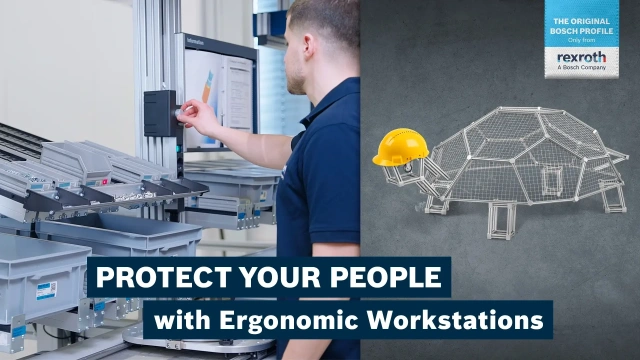
Protect Your Production with a Robust Aluminum Structural Framing System

Protect Your Production with a Robust Aluminum Structural Framing System

Aluminum framing builds a strong foundation for workplace safety that is not only reliable, but configurable to the adapting needs of production. Learn more about the role of aluminum framing is enhancing the safety of both your factory and people.

Download: https://www.boschrexroth.com/en/us/media-center/gated-content/at/protect-your-factory/

CMA/Flodyne/Hydradyne is an authorized Bosch Rexroth distributor in Illinois, Wisconsin, Iowa and Northern Indiana.

In addition to distribution, we design and fabricate complete engineered systems, including hydraulic power units, electrical control panels, pneumatic panels & aluminum framing. Our advanced components and system solutions are found in a wide variety of industrial applications such as wind energy, solar energy, process control and more.

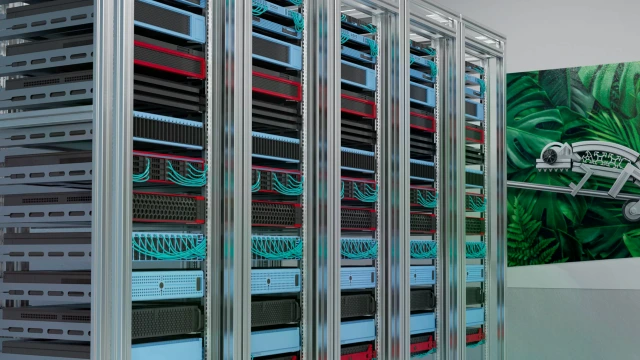
Aluminum Framing as the Backbone of a Successful Data Center Infrastructure

In an AI-driven shift, data center construction is growing at a rapid pace.

In 2025, the data center construction market was estimated at 261 billion and expected to steadily grow at a 12% CAGR through 2033.

To meet the demand, additional data centers need to be built with speed and longevity in the forefront. After all, a data center malfunctioning can be detrimental. That’s why a successful data center needs to be built correctly – before the servers even enter the building.

A Tale of Two Materials: Steel and Aluminum

In the high-stakes world of data centers, where every degree of temperature matters, installation efficiency and overall reliability are paramount.

While steel is often viewed as the preferred material due to its strength and structural integrity, this emphasis on efficiency and reliability give aluminum framing its edge. Compared to steel, aluminum framing is more lightweight for easier handling, boasts a stronger strength-to-weight ratio, and greater thermal conductivity.

When purchased in bulk for a large project like constructing a data center, aluminum framing is often more economical, and quicker for construction workers to handle in installation due to being lighter.

Depending on the application, both steel and aluminum can often work together for the overall build. Steel does greater load-bearing strength and if the weight requirements extend aluminum’s specification, using steel is a solution. But in key data center construction applications like hot aisle containment, cold aisle containment, false floors, and even server racks, aluminum framing is a smart start to a successful data center.

Top Aluminum Framing Applications in Data Center Construction

While aluminum framing can be used in more applications, the strengths of the material shine brightest with the following applications:

  • Hot Aisle Containment
  • Cold Aisle Containment
  • Server Racks
  • False Floors

Hot Aisle Containment

Temperature management is a critical consideration for data centers. Hot aisle containment systems are paramount to reduce energy consumption and improve overall efficiency by preventing the mixing of hot exhaust air and cold supply air. With its ability to form an air-tight containment seal, thermal-conductivity benefits, and easy installation, aluminum framing is the ideal material structure for these critical enclosures.

With a modular aluminum framing system, it can also adapt and be reconfigured if the data center needs to shift as technology evolves.

Cold Aisle Containment

Cold Aisle Containment encloses the aisle where cold supply air is supplied to equipment, using panels and doors to separate it from hot exhaust air. All the same benefits of aluminum framing from hot aisle containment apply to this application.

Server Racks

Beyond aisle containment and temperature control, aluminum profiles are revolutionizing server rack construction. Steel racks will be heavy, which makes them hard to move and limits their adaptability. Aluminum profiles, however, offers a superior alternative that are not only incredibly strong but also remarkably light, facilitating easier transportation and deployment.

False Floors

Data centers require raised floors, also known as false floors, that are elevated between 1-2 feet and support cable management, as well as a distribution system for cold air to server racks. With its impressive strength-to-weight ratio and easier installation, aluminum framing makes an efficient material for false floors that improve cooling efficiency by supporting underfloor airflow.

Beyond its technical strengths, aluminum framing provides unmatched aesthetics – clean lines, precision surfaces, and modularity create an impressive environment that is not just functional, but visually impressive. In a rapidly changing market, where efficiency, speed, and precision are paramount, a material solution that looks as sleek as it performs speaks volumes about the quality of the entire infrastructure.

Aluminum Profiles for Data Center Infrastructure

The emphasis on efficiency and reliability gives aluminum framing its edge for data center construction. Learn more about how aluminum framing plays a critical role in data center construction.

Learn More

Aluminum Profiles for Data Center Infrastructure

CMA/Flodyne/Hydradyne is an authorized Bosch Rexroth distributor in Illinois, Wisconsin, Iowa and Northern Indiana.

In addition to distribution, we design and fabricate complete engineered systems, including hydraulic power units, electrical control panels, pneumatic panels & aluminum framing. Our advanced components and system solutions are found in a wide variety of industrial applications such as wind energy, solar energy, process control and more.