A vision system can show you alerts back in your HMI by using inputs and outputs built into the camera or use an IO-Link port on the camera to attach a visual display, for example a SmartLight with audible and flashing alerts enabled. Once you see these alerts, the PLC can easily fix the issue from the program or a maintenance worker or engineer can quickly respond to the alert.
Widespread use of smart vision cameras with various pixel options has become a trend in tire manufacturing. In additional to giving an early alert to bunching problems, vision systems can also capture pictures and data to verify that tires were cleared all the way into final inspection. Although tire machine builders are being asked to incorporate vision systems into their machines during the integration process, it is more likely for systems to be added in plants at the application level.
Vision systems can improve production throughput, quality issues and record production data about the process for analytics and analysis down the road. Remember a tire plant usually consists of these processes in their own large section of the plant and involves many machines in each section:
- Mixing
- Tire Prep
- Tire Build
- Curing
- Final Inspection
Each one of these process areas in a plant can benefit from the addition of vision systems. Here are a few examples:
- Mixing areas can use cameras as they mill rubber and detect when rubber sheets are off the rollers and to look for engraved information embedded in the rubber material for logistics and material flow to the proper processes.
- Tire Prep can use cameras to ensure all the different strand colors of steel cords are embedded or painted on the rubber plies before going to tire build process.
- Tire Build can use vision to detect the side-wall beads are facing the right direction and reading the embedded position arrows on the beads before tire plies are wrapped around them.
- Curing area can use vision to monitor tire clusters on conveyors and make sure they are not too close to each other by using the measuring tool in the camera software.
- Final Inspection can use vision to read barcodes, QR codes, detect colors of embossed or engraved serial numbers, detect different color markings and shape of the markings on the tire.
The use of machine vision systems can decrease quality issues by pinpointing errors before they make it through the entire production process without detection.

CMA/Flodyne/Hydradyne is an authorized Balluff distributor in Illinois, Wisconsin, Iowa and Northern Indiana.
In addition to distribution, we design and fabricate complete engineered systems, including hydraulic power units, electrical control panels, pneumatic panels & aluminum framing. Our advanced components and system solutions are found in a wide variety of industrial applications such as wind energy, solar energy, process control and more.
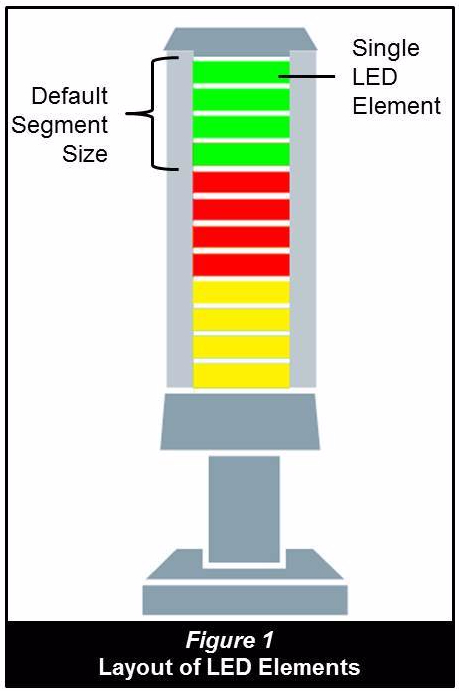 possible to define the segments as you see fit. It works by taking control of every LED element. Each SmartLight segment is comprised of four LED elements that can be controlled anyway you want (see Figure 1). For example, with the 3-segment SmartLight, you actually have 12 LED elements that you can organize any way you want. In Figure 2, we only use three LED elements per SmartLight segment, making it a four segment SmartLight. By using two LED elements we create six segments. Figure 3 is even more interesting, in this example we can see the size of the segments are sized by the intended users. Forklift Drivers need a larger light due to the distance and the fact that they are moving. Operators are closer than the forklift drivers, so their segment can be smaller, and maintenance can use the smallest segments because they are closest to the SmartLight when working on the machine.

 in close proximity, usually within the work envelope of the operators. In the example shown, the SmartLight is used in a socket tray application. The SmartLight indicates to the operator which socket is required for a specific task. Inductive proximity sensors connected to an IO-Link Hub verify the correct socket was pulled. The photo is showing an All-Call (all lights lit). Here you can see the unique LED element grouping only available with the new Flexible mode. Other applications for operator guidance are essentially endless. There are no technical limitations to your creativity.



 Machine Geeks