Balluff

Automation for intralogistics: a practical perspective

Five key technologies shaping warehouse and logistics automation
Reading Time: 5 minutes

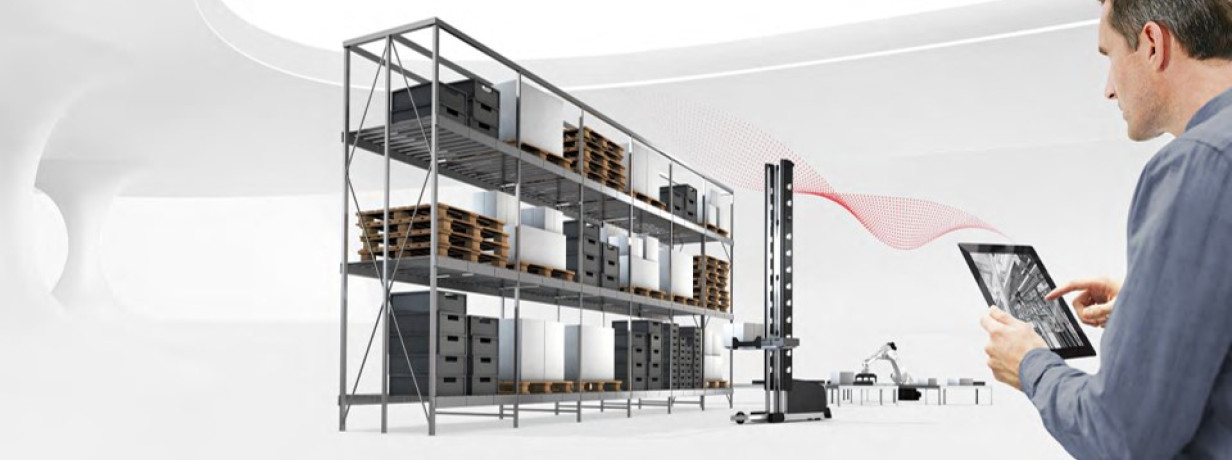
In my work at Balluff, I have seen firsthand how intralogistics is evolving through smarter automation. Faster deliveries, real-time tracking, and flexible production are becoming more and more a standard in supply chains. At the same time, companies face labor shortages, skill gaps, and rising demands for efficiency and sustainability.  

Automation plays a major role in addressing these challenges, ensuring that operations stay accurate, scalable, and reliable. In a previous post, Automation, Networking and Sensors in Intralogistics, we discussed how industrial networks, sensors, and traceability systems are integrated into everyday warehouse operations.  

Let me share some additional thoughts on five key areas of automation technology that continue to shape these processes. 


Digitized controls architecture 

Modern industrial networks make it easier to connect devices to control systems on conveyors, automated storage systems, and robotic platforms. With open standards such as IO-Link, installations become simpler and less expensive because sensor wiring is minimized and diagnostic data is more accessible. Networking also makes system expansion and device replacement faster and simpler; and I have found that this approach not only streamlines installation but also reduces troubleshooting time when issues arise. 
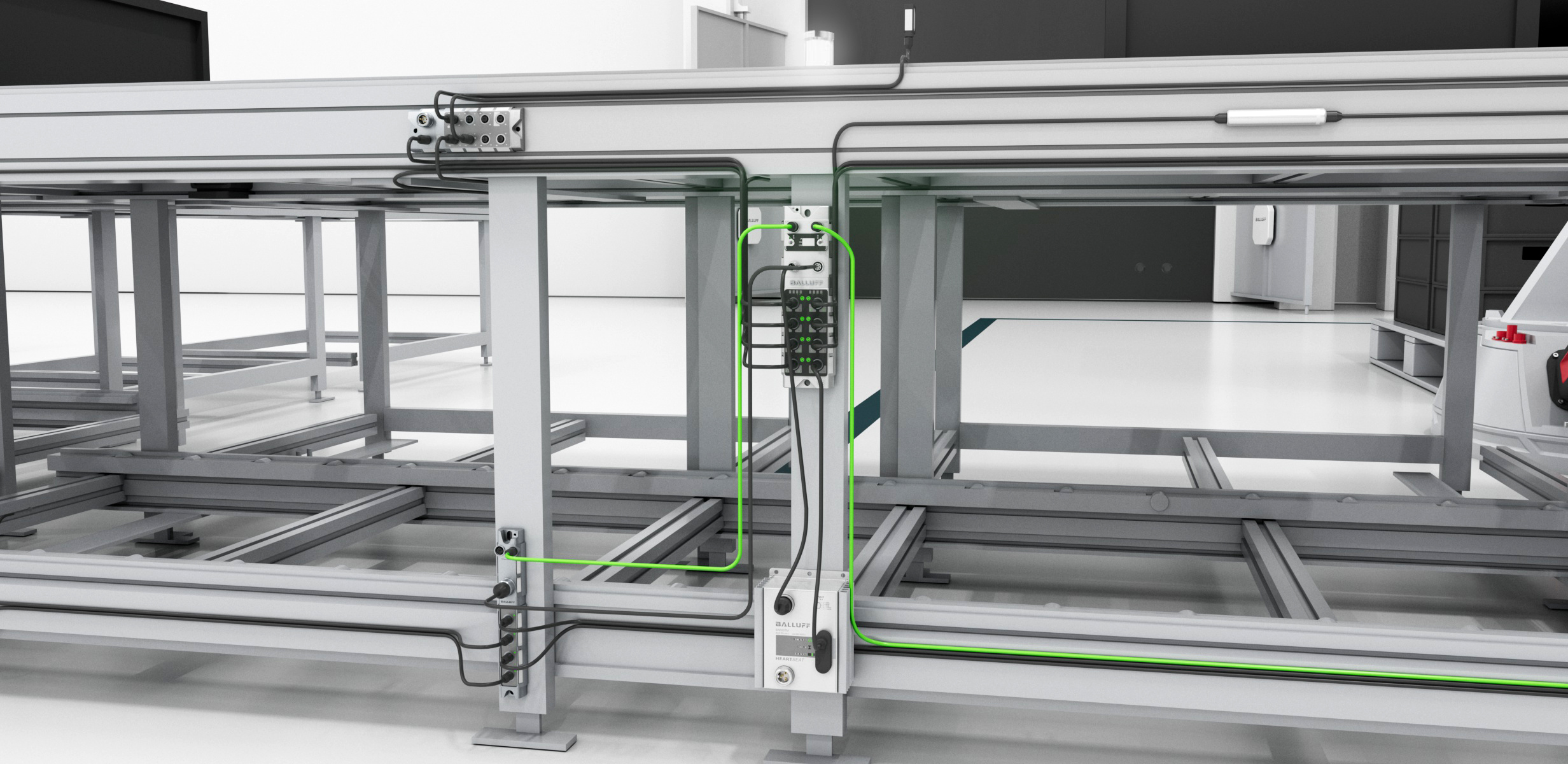
Seamless device connectivity through modern networks enhanced by IO-Link masters and hubs reduces complexity, speeds up installation, and simplifies troubleshooting.

Seamless device connectivity through modern networks enhanced by IO-Link masters and hubs reduces complexity, speeds up installation, and simplifies troubleshooting. 

End-to-end traceability 

Knowing the location of each package or product at every stage in the facility is key. Whether using RFID or a code reading solution (for example: barcodes, DMC codes, 2D codes), clear identification is important for ensuring the correct handling and movement of goods. In my experience, systems that maintain accurate traceability contribute to improved order accuracy, better transparency and a smoother flow of operations. 
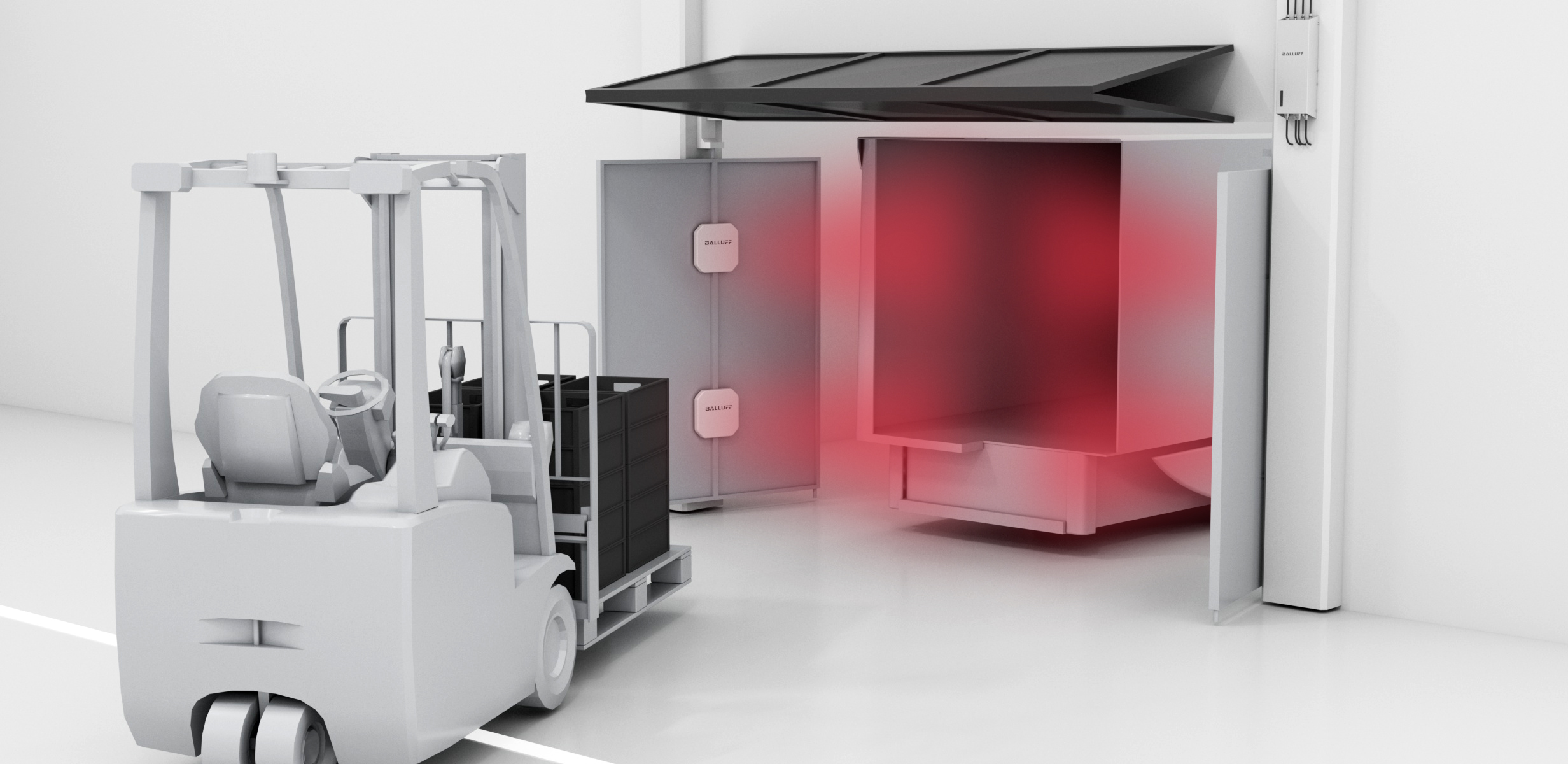
Real-time tracking with RFID ensures every package is where it should be, reducing errors and improving process transparency.

Real-time tracking with RFID ensures every package is where it should be, reducing errors and improving process transparency.

Fast-paced object detection 

A range of sensors including photoelectric, inductive, ultrasonic, and capacitive types are used to detect items in real-time. These sensors, integrated with conveyor systems and storage equipment, help monitor the presence, position, and movement of objects. I have observed that accurate object detection leads to more reliable process controls and better overall performance in handling tasks. aben führt. 
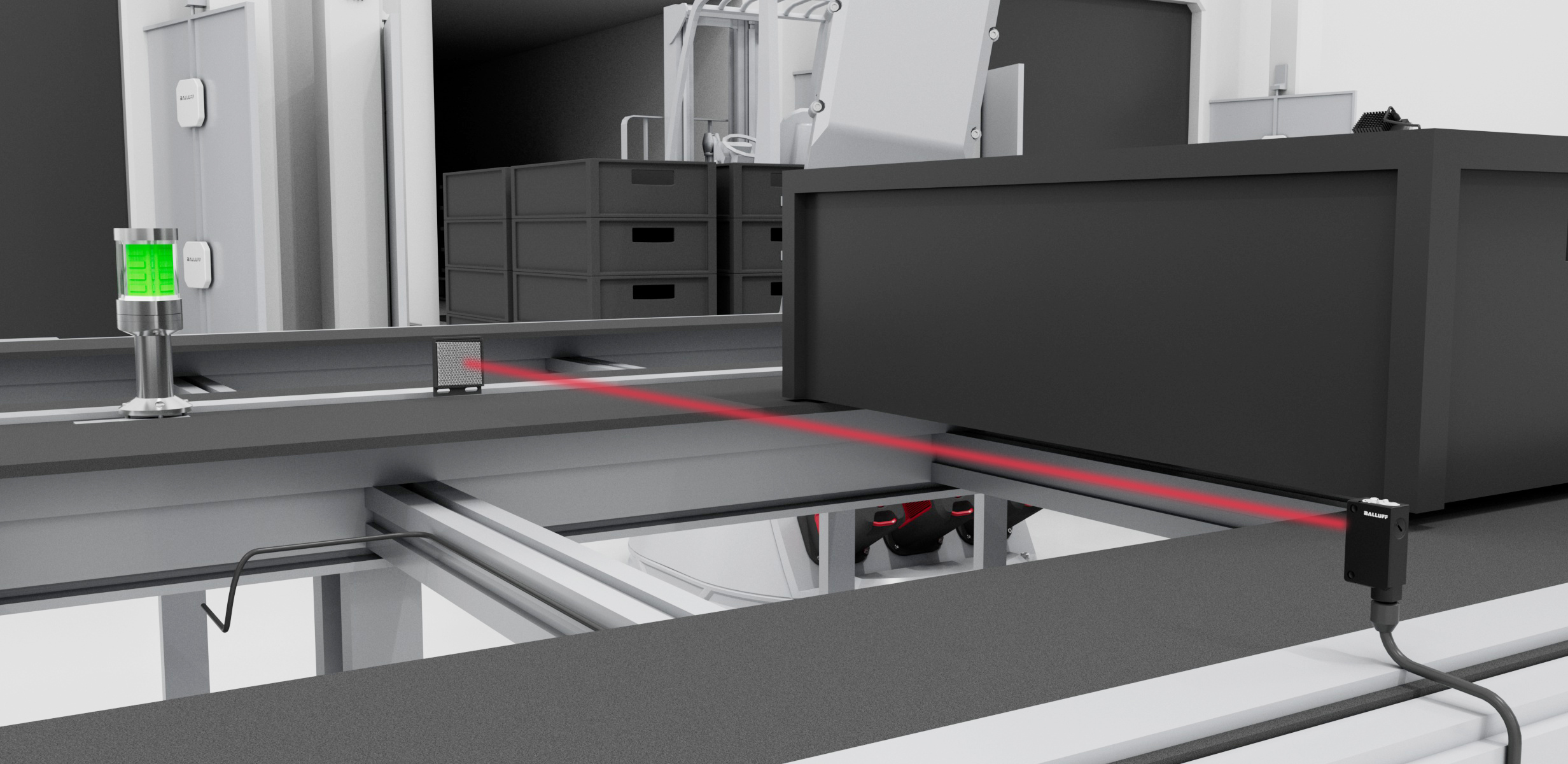
Photoelectric sensors detect objects, increasing throughput and preventing bottlenecks in high-speed operations.

Photoelectric sensors detect objects, increasing throughput and preventing bottlenecks in high-speed operations.

Condition monitoring of equipment 

Preventing unplanned downtime is important in keeping operations running smoothly. By continuously monitoring factors like vibration, temperature, and pressure, condition monitoring systems alert operators to potential issues before they result in a breakdown. This proactive approach can extend equipment life and ensure steady performance across a facility. I’m seeing many companies start with condition monitoring as the first step towards predictive maintenance and improving Overall Equipment Effectiveness. 
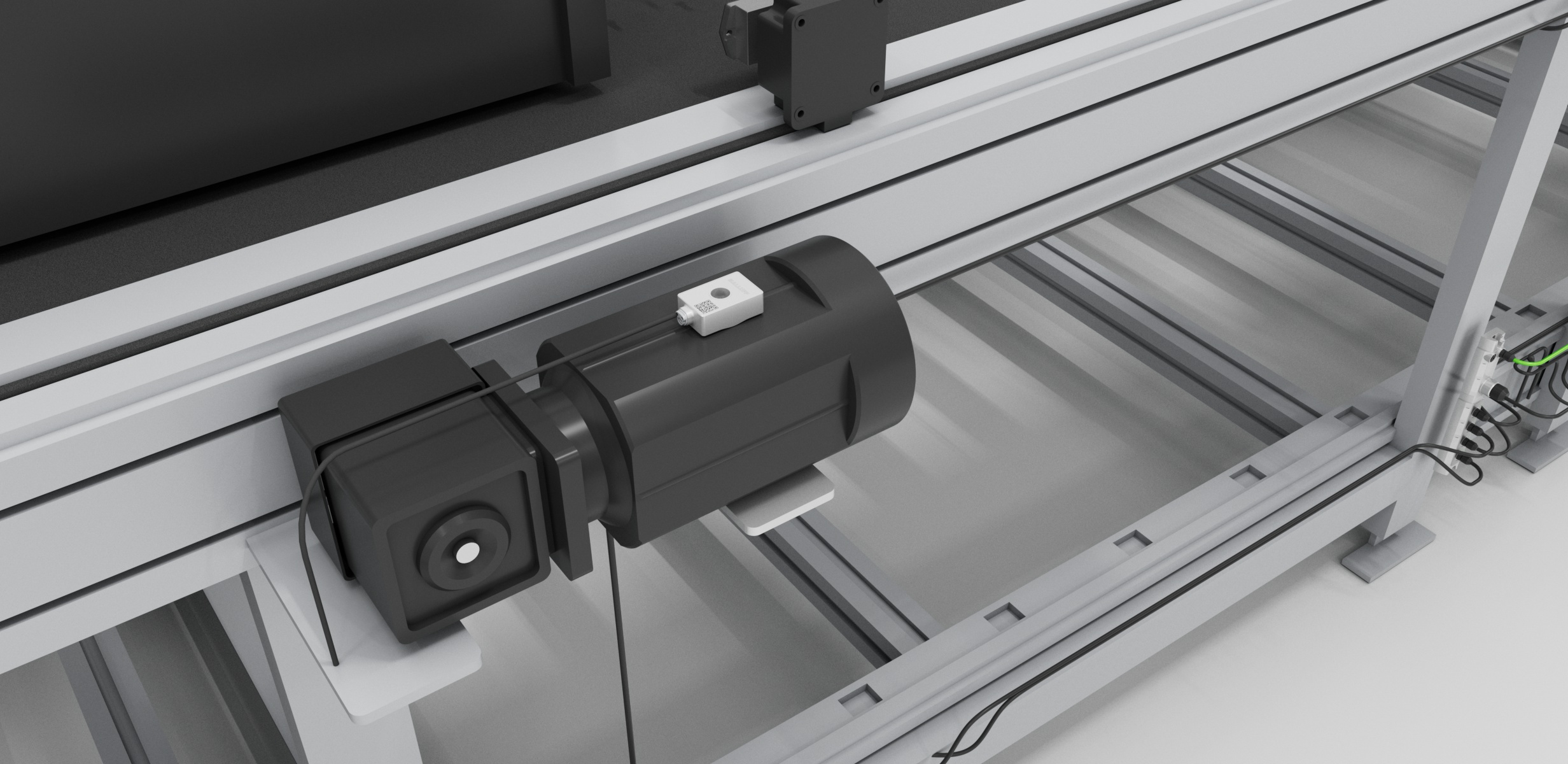
Continuous monitoring with condition monitoring sensors on conveyor belt motors prevents costly downtime and keeps equipment reliable and productive.

Continuous monitoring with condition monitoring sensors on conveyor belt motors prevents costly downtime and keeps equipment reliable and productive. 

Vision-based systems 

Camera systems solve many applications including code reading, quality assurance, palletizing, picking, or placing and sorting. Such systems improve automated handling of a range of products, ensuring accurate identification and placement. For instance, in-line inspection detects damage to goods or packages, minimizing faulty deliveries. In addition, AI-enhanced 3D vision enables collaborative and industrial robots to recognize and pick objects of varying shapes and positions. I see vision technology becoming increasingly important for traceability, object detection, and quality control in intralogistics processes. 
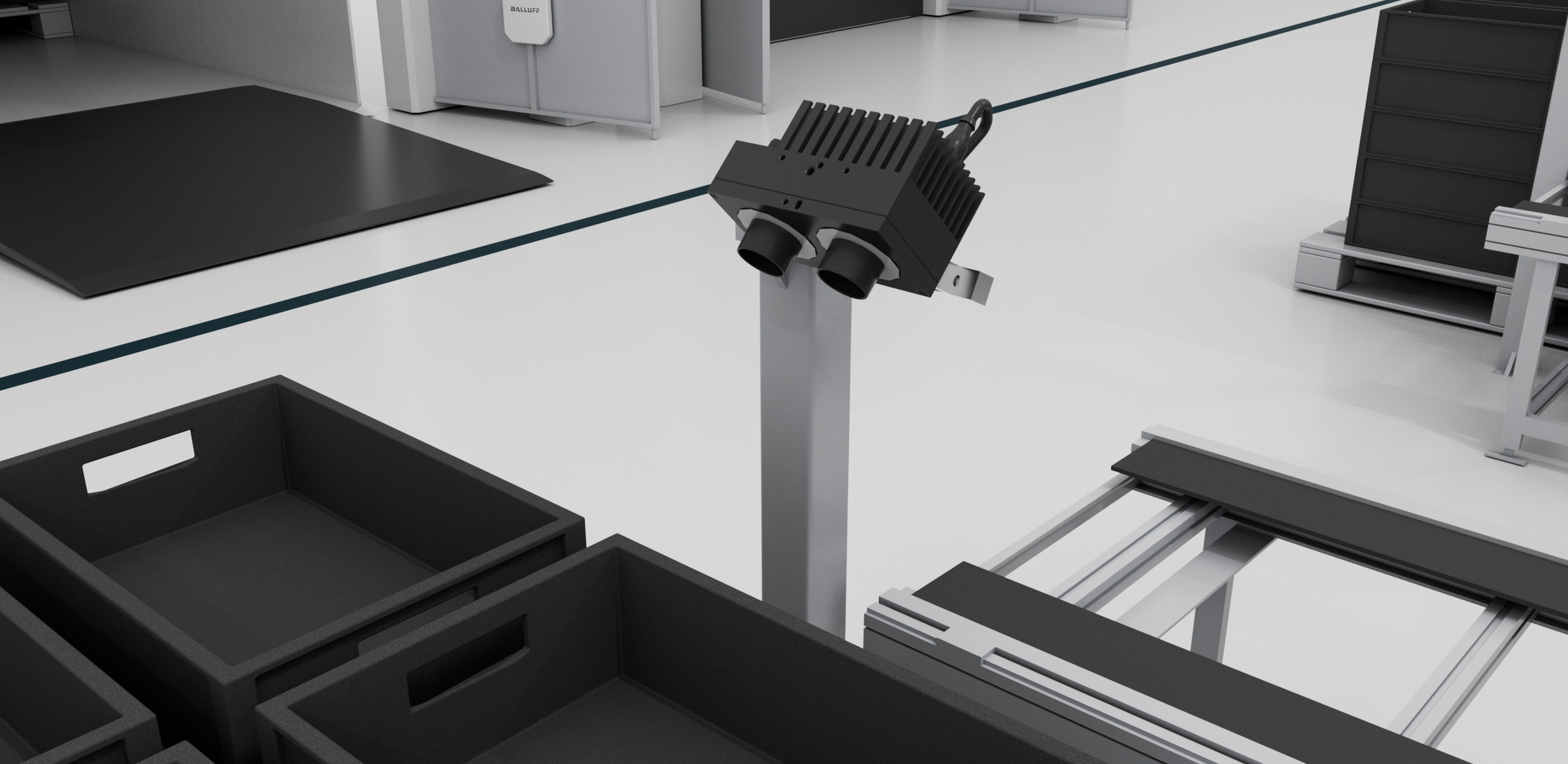
AI-powered machine vision enhances automation, making picking, sorting, and quality control more accurate and adaptable.

AI-powered machine vision enhances automation, making picking, sorting, and quality control more accurate and adaptable. 

In summary, each of these technologies plays a key role in future-proofing operations such as conveying and transporting, storage and retrieval, and robotic sorting and picking. In future articles, we’ll take a closer look at these topics and real-world examples. 

CMA/Flodyne/Hydradyne is an authorized  Balluff distributor in Illinois, Wisconsin, Iowa and Northern Indiana.

In addition to distribution, we design and fabricate complete engineered systems, including hydraulic power units, electrical control panels, pneumatic panels & aluminum framing. Our advanced components and system solutions are found in a wide variety of industrial applications such as wind energy, solar energy, process control and more.
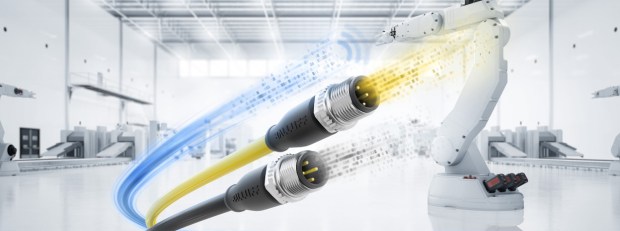
IO-Link advantages

Efficient and cost-saving – the IO-Link advantage

IO-Link advantages

The IO-Link communication interface offers tangible benefits: quick and cost-saving installation, continuous diagnostics and quick sensor replacement, because these can be configured from a central location. All in all, this provides more flexibility and increases the efficiency of automation.

Easy installation

For IO-Link all you need is an industry-standard three- or four-conductor cable. The uniform standard interface can be quickly integrated into the fieldbus world. Even complex devices can be easily integrated. What is particularly interesting is that even without expensive, shielded cabling, the digital communication ensures noise immunity. Analog signals are digitized with no conversion losses.

IO-Link increases machine availability

IO-Link enables quick and error-free exchange of sensors and shortens the time needed to start system operation. Downtime can be significantly reduced, since the IO-Link master or the controller automatically writes the parameters of a replaced IO-Link sensor onto the new sensor. Commissioning processes, format changes or recipe changes are handled centrally via the controller’s function modules. This saves time and minimizes the potential for mistakes. Additional advantages for you: IO-Link devices cannot be confused with each other as they are automatically identifiable via IO-Link.

IO-Link enables need-oriented maintenance

Continuous diagnostic data for the entire process extends your service intervals, since automatic readjustment via IO-Link means you need to perform maintenance much less frequently on equipment and machines. Now, predictive error detection is even possible because complete process parameters are consistently displayed in the controller.

IO-Link makes operation more efficient

IO-Link sensors can be positioned in the machine directly at the location of operation because the sensor’s accessibility no longer plays a role. That is optimal in terms of technical aspects of the process. Process monitoring, configuration and error analysis of the IO-Link sensors take place in the controller. Machine processes are now time-optimized. Additionally, signal delays and distortions are reliably eliminated because the digital transmission of data also ensures high signal quality. A wide range of application requirements can be easily met with IO-Link due to standard binary and analog devices being used at the same time as IO-Link sensors and actuators.

IO-Link offers a high-performance, consistent network

Control concepts using IO-Link provide you with simple and universal solutions for a high-performance, consistent network, meaning you benefit from lower costs and are more flexibility than ever.

We Speak IO-Link

The advantages of IO-Link are obvious: easy installation, high machine availability, need-oriented maintenance, efficient operation and a high-performance, consistent network. As an engaged partner for industrial automation, Balluff offers not only an enormously wide spectrum of products and services with devices such as our IO-Link master, IO-Link hubs and IO-Link sensors, but together with you also develops solutions for industrial automation that are precisely suited to your needs and are globally applicable.

Examples

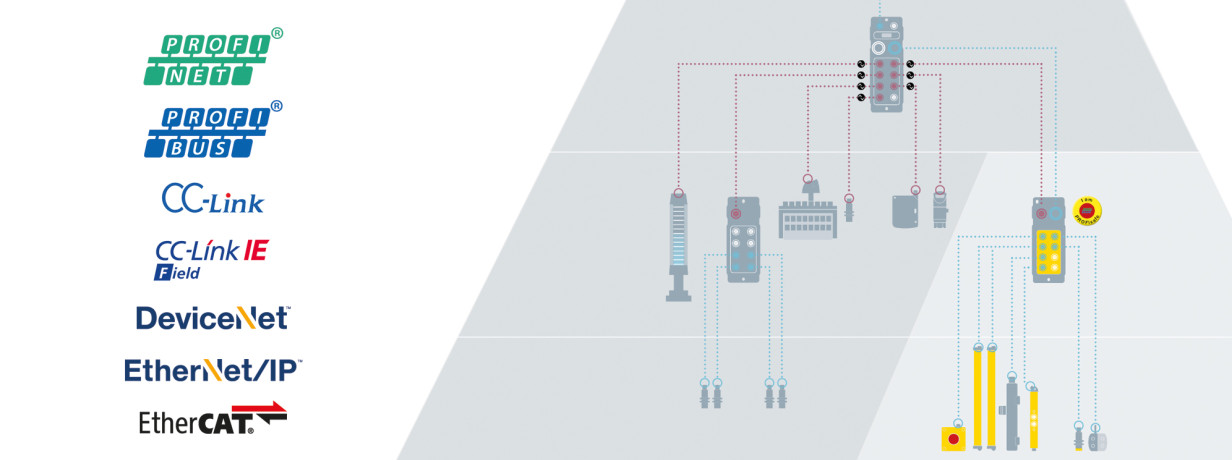
Migrate fieldbuses

Automate Robots

Expand decentralization

Track Data

Measure, Control and Regulate

Signaling

Handling and Assembly

CMA/Flodyne/Hydradyne is an authorized  Balluff distributor in Illinois, Wisconsin, Iowa and Northern Indiana.

In addition to distribution, we design and fabricate complete engineered systems, including hydraulic power units, electrical control panels, pneumatic panels & aluminum framing. Our advanced components and system solutions are found in a wide variety of industrial applications such as wind energy, solar energy, process control and more.
Simple (and) Good: New Generation of IO-Link Sensor/Actuator Hubs

An Entry to IO-Link Technology

Easy entry into efficient and proven IO-Link technology is made possible by the new generation of our I/O modules. Flexibly adapted to meet your needs, you can use up to 16 digital inputs or 8 digital inputs and outputs depending on the application.  

This allows for flexible exchange and easy expansion of your application. The next generation sensor/actuator hubs provide eight standardized M12 ports, four of which can be configured variably.  

The added value to existing Balluff IO-Link sensor/actuator hubs is primarily in the optimized housing concept and the deliberate simplicity of the new generation.  

Less is more − you gain simple handling and support of basic I/O functions without complex add-on functions. Our new sustainable housing concept uses recyclable materials without potting materials in an environmentally friendly way, while still meeting all the requirements for industrial use in the usual Balluff quality. 


Improved process quality with IO-Link

IO-Link brings users more flexibility and increases efficiency in automation. Our new gen IO-Link sensor/actuator hub offers you an easy entry into IO-Link technology for support of basic I/O functions. You can simply realize efficient topologies, because communication and power supply run over a single line. Our I/O modules enable the integration of standard sensors and actuators in IO-Link topologies. Sensor/actuator hubs also offer you a high savings potential, because they reduce the number of fieldbus modules and enable efficient scaling of the application. In a nutshell, our new gen version is an ideal solution for getting started with the IO-Link standard or for completing versatile applications in a cost-effective manner.

 IO-Link advantages

Features

  • Efficient and effective − perfectly suited for low power signal processing
  • Flexible and from a single source − our new generation I/O modules are available in NPN and PNP variants
  • Compact, lightweight and sustainable − optimized for use in moving applications and with Balluff’s high quality
  • Fast, effective signal transmission and reduced signal runtimes due to COM3 transmission standard
  • Individually adapted to your needs, four of the digital ports can be flexibly configured

CMA/Flodyne/Hydradyne is an authorized  Balluff distributor in Illinois, Wisconsin, Iowa and Northern Indiana.

In addition to distribution, we design and fabricate complete engineered systems, including hydraulic power units, electrical control panels, pneumatic panels & aluminum framing. Our advanced components and system solutions are found in a wide variety of industrial applications such as wind energy, solar energy, process control and more.

Heartbeat® power supply units with IO-Link interface

Optimum power supply for the sophisticated automation solution with IO-Link communication interface

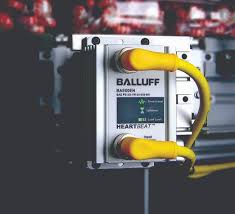
In the world of automation, ensuring a reliable and efficient power supply is crucial for the seamless operation of sensors, actuators, controllers, and HMIs. Balluff Heartbeat® power supply units with IO-Link interfaces stand out as an optimal solution for sophisticated automation systems, designed to meet the high demands of quality, longevity, and diagnostic capabilities.

Why Choose Balluff Heartbeat® Power Supply Units?

Balluff Heartbeat® power supplies are engineered with precision, incorporating high-quality components that guarantee an extended service life. These units are particularly well-suited for critical applications where reliability is non-negotiable. The built-in monitoring system is a standout feature, offering real-time insights into the power supply’s performance.

One of the most valuable aspects of these power supplies is the Heartbeat® status indicator LED. This feature provides a local, three-color indication of the current load situation, the device’s wear level, and the remaining service life. This visual feedback allows for immediate assessment of the system’s health. Additionally, the power supply’s digital outputs convey alarm, stress level, and lifetime information, enabling preemptive maintenance and avoiding unexpected downtime.

Enhanced Diagnostics with IO-Link Interface

The integration of IO-Link communication adds another layer of sophistication to the Balluff Heartbeat® power supplies. Through IO-Link, users can access detailed diagnostic and status information about the device, including operating parameters and historical data. This capability not only enhances transparency but also facilitates informed decision-making in maintenance and operation.

The extra narrow design of these power supply units makes them ideal for resource-optimized control cabinet configurations (IP20 housing). For decentralized structures, IP67 variants are available, offering robust power supply solutions in direct proximity to the consumer.

Key Features That Set Balluff Heartbeat® Power Supplies Apart

The Balluff Heartbeat® power supplies are packed with features designed to meet the diverse needs of modern automation systems:

  • 24 V, Single Phase: Available in various power ratings (91, 120, 240, and 480 W), ensuring compatibility with a wide range of applications.
  • Short-Circuit Proof with PowerBoost 150%: Delivers extra power when needed, ensuring the system’s resilience during peak loads.
  • Regulatable Output Voltage: Provides flexibility in maintaining optimal performance.
  • Low Residual Ripple: Ensures a stable output voltage, crucial for sensitive electronic components.
  • Preventative Maintenance and Condition-Based Maintenance: Supports Industry 4.0 initiatives, allowing for predictive and condition-based maintenance strategies.
  • Galvanic Isolation: Ensures that IO-Link communication and power supply units are electrically separated, enhancing safety and performance.

Tailored Solutions for Control Cabinets and Field Applications

  • Control Cabinet Power Supplies: Available in single-phase or three-phase configurations, these units range from 75 to 960 W and can be connected in parallel to provide up to 2.8 kW. They offer features such as regulatable output voltage, alarm LED-output digital, and the ability to operate in parallel or series configurations for flexible application adaptation.
  • Field Power Supplies with IO-Link Interface: These units come in compact IP67 housings without potting, offering over 95% efficiency. They are available in 1- or 3-phase configurations with 7/8″ or M12 connectors, providing up to 12 A continuous power per channel. The field power supplies also include 2 outputs with 4 fused channels, allowing for separate monitoring and remote parameterization via IO-Link.

Conclusion

The Balluff Heartbeat® power supply units with IO-Link interfaces are more than just power sources—they are integral components of a sophisticated automation ecosystem. Their advanced diagnostic capabilities, high-quality construction, and flexible configurations make them an ideal choice for industries that demand the highest levels of reliability and efficiency. By integrating these power supplies into your automation solution, you are not just powering your systems; you are future-proofing your operations with a robust, intelligent power supply solution.

CMA/Flodyne/Hydradyne is an authorized  Balluff distributor in Illinois, Wisconsin, Iowa and Northern Indiana.

In addition to distribution, we design and fabricate complete engineered systems, including hydraulic power units, electrical control panels, pneumatic panels & aluminum framing. Our advanced components and system solutions are found in a wide variety of industrial applications such as wind energy, solar energy, process control and more.
4 Reasons Why Machine Builders Use IO-Link

Corey Shepherd, CMAFH Brain Products Team

So, why might a machine builder use IO-Link? Here are a few reasons:

1.      Flexibility

IO-Link provides a flexible and easy-to-use interface that allows for the seamless integration of sensors and actuators from different manufacturers. This makes it easier to customize and upgrade automation systems as needed.

Machine builders can use IO-Link to connect a wide range of sensors and actuators, such as pressure sensors, temperature sensors, flow meters, solenoid valves, and even motors.

2.      Cost savings

IO-Link can help reduce installation and maintenance costs by simplifying wiring and reducing the need for specialized cabling.

With IO-Link, machine builders can use standard unshielded three-conductor cables for all connections, reducing the number of cables required and simplifying the wiring process. Instead of individually wiring devices back to a terminal strip or IO modules, IO Link allows machine builders to land devices to IP67 or IP69K machine mount M12 IO Link masters or hubs.  

3.      Increased functionality

Additionally, IO-Link sensors and actuators can provide diagnostic information that can help reduce downtime and increase overall system efficiency.

IO-Link can provide advanced features such as parameterization, identification, and diagnostic capabilities. With parameterization, machine builders can configure and adjust sensor and actuator settings, such as sensing range and output type, to meet specific application requirements. Identification enables automatic identification and configuration of IO-Link devices when they are connected to the system. And with diagnostic capabilities, machine builders can monitor and diagnose issues with sensors and actuators in real-time, helping to reduce downtime and increase system efficiency.

4.      Simplifying Safety

It is also possible to integrate safety devices with a PLE/SIL 3 rating in to your IO Link system if the correct hardware is used. Safety IO Link enables communication between safety devices, such as light curtains, E-Stop buttons, safety door switches, and a safety PLC.

Safety IO Link allows for more effective monitoring and control in industrial applications because each safety device can communicate its status and diagnostic information to the safety controller. This allows for simple and quick identification of safety fault issues. This is all accomplished with quick M12 connections between safety devices and a Safety IO Link module.

About Us

CMA/Flodyne/Hydradyne is a leader in the IO Link space by helping customers with full machine layouts using Balluff IO Link Masters, hubs, and devices. We would love an opportunity to show you how we can help optimize the right IO Link system for your machine!

Corey Shepherd.
CMA/Flodyne/Hydradyne Brain Products Team

Contact me at:
Office: 630-563-3710
Mobile: 847-899-2390
email: coreyshepherd@cmafh.com

cmafh.com

Start Condition Monitoring With Vibration Sensors

by Anjesh Shekhar, Balluff

IIOT (Industrial internet of things) has gained much traction and attraction in past years. With industries getting their assets online for monitoring purposes and new IO-Link sensors providing a ton of information on a single package, monitoring machines has become economically feasible.

Vibration is one of the most critical metrics regarding the health of machines, providing early detection of potential faults – before they cause damage or equipment failure. But since this is a relatively new field and use case, there is not much information about it. Most customers are confused about where to start. They want a baseline to begin monitoring machines and then finetune them to their use case.

“Vibration is one of the most critical metrics regarding the health of machines…”

One approach to solve this is to hire a vibration expert to determine the baseline and the best location to mount the vibration measuring sensor. Proper setup increases the threshold of getting into condition monitoring as a new user figures out the feasibility of such systems.

I direct my customers to this standardized baseline chart from ISO, so they can determine their own baselines and the best mounting positions for their sensors. The table shows the different standards for severity for different machine classes. These standards detail the baseline vibration and show the best place to mount the sensor based on the machine type.

Click here for more information on the benefits of condition monitoring.

cropped-cmafh-logo-with-tagline-caps.png

CMA/Flodyne/Hydradyne is an authorized  Balluff distributor in Illinois, Wisconsin, Iowa and Northern Indiana.

In addition to distribution, we design and fabricate complete engineered systems, including hydraulic power units, electrical control panels, pneumatic panels & aluminum framing. Our advanced components and system solutions are found in a wide variety of industrial applications such as wind energy, solar energy, process control and more.

Building Blocks of the Smart Factory Now More Economical, Accessible

Guest Contributor: Balluff

A smart factory is one of the essential components in Industry 4.0. Data visibility is a critical component to ultimately achieve real-time production visualization within a smart factory. With the advent of IIoT and big-data technologies, manufacturers are finally gaining the same real-time visibility into their enterprise performance that corporate functions like finance and sales have enjoyed for years.

The ultimate feature-rich smart factory can be defined as a flexible system that self-optimizes its performance over a network and self-adapts to learn and react to new conditions in real-time. This seems like a farfetched goal, but we already have the technology and knowhow from advances developed in different fields of computer science such as machine learning and artificial intelligence. These technologies are already successfully being used in other industries like self-driving cars or cryptocurrencies.

1
Fig: Smart factory characteristics (Source: Deloitte University Press)

Until recently, the implementation or even the idea of a smart factory was elusive due to the prohibitive costs of computing and storage. Today, advancements in the fields of machine learning and AI and easy accessibility to cloud solutions for analytics, such as IBM Watson or similar companies, has made getting started in this field relatively easy.

One of the significant contributors in smart factory data visualization has been the growing number of IO-Link sensors in the market. These sensors not only produce the standard sensor data but also provide a wealth of diagnostic data and monitoring while being sold at a similar price point as non-IO-Link sensors. The data produced can be fed into these smart factory systems for condition monitoring and preventive maintenance. As they begin to produce self-monitoring data, they become the lifeblood of the smart factory.

Components

The tools that have been used in the IT industry for decades for visualizing and monitoring server load and performance can be easily integrated into the existing plant floor to get seamless data visibility and dashboards. There are two significant components of this system: Edge gateway and Applications.

2
Fig: An IIoT system

Edge Gateway

The edge gateway is the middleware that connects the operation technology and Information technology. It can be a piece of software or hardware and software solutions that act as a universal protocol translator.

As shown in the figure, the edge gateway can be as simple as something that dumps the data in a database or connects to cloud providers for analytics or third-party solutions.

Applications

One of the most popular stacks is Influxdb to store the data, Telegraf as the collector, and Grafana as a frontend dashboard.

These tools are open source and give customers the opportunity to dive into the IIoT and get data visibility without prohibitive costs. These can be easily deployed into a small local PC in the network with minimal investment.

The applications discussed in the post:

Grafana

Telegraf

Influxdb

Node-red Tutorial

CMA/Flodyne/Hydradyne is an authorized  Balluff distributor in Illinois, Wisconsin, Iowa and Northern Indiana.

In addition to distribution, we design and fabricate complete engineered systems, including hydraulic power units, electrical control panels, pneumatic panels & aluminum framing. Our advanced components and system solutions are found in a wide variety of industrial applications such as wind energy, solar energy, process control and more.


How Cameras Keep Tire Manufacturers From Spinning Their Wheels

Guest contributor: John Tackacs, BalluffTires being transported between the curing presses and the staging area before their final inspection often become clustered together. This jam up can cause imperfections to the tires and damage to the conveyors. To alleviate this problem, some tire manufacturers have installed vision systems on their conveyors to provide visual feedback to their production and quality teams, and alert them when the tires start to get too close together.

A vision system can show you alerts back in your HMI by using inputs and outputs built into the camera or use an IO-Link port on the camera to attach a visual display, for example a SmartLight with audible and flashing alerts enabled. Once you see these alerts, the PLC can easily fix the issue from the program or a maintenance worker or engineer can quickly respond to the alert.

Widespread use of smart vision cameras with various pixel options has become a trend in tire manufacturing. In additional to giving an early alert to bunching problems, vision systems can also capture pictures and data to verify that tires were cleared all the way into final inspection. Although tire machine builders are being asked to incorporate vision systems into their machines during the integration process, it is more likely for systems to be added in plants at the application level.

Vision systems can improve production throughput, quality issues and record production data about the process for analytics and analysis down the road. Remember a tire plant usually consists of these processes in their own large section of the plant and involves many machines in each section:

  • Mixing
  • Tire Prep
  • Tire Build
  • Curing
  • Final Inspection

Each one of these process areas in a plant can benefit from the addition of vision systems. Here are a few examples:

  • Mixing areas can use cameras as they mill rubber and detect when rubber sheets are off the rollers and to look for engraved information embedded in the rubber material for logistics and material flow to the proper processes.
  • Tire Prep can use cameras to ensure all the different strand colors of steel cords are embedded or painted on the rubber plies before going to tire build process.
  • Tire Build can use vision to detect the side-wall beads are facing the right direction and reading the embedded position arrows on the beads before tire plies are wrapped around them.
  • Curing area can use vision to monitor tire clusters on conveyors and make sure they are not too close to each other by using the measuring tool in the camera software.
  • Final Inspection can use vision to read barcodes, QR codes, detect colors of embossed or engraved serial numbers, detect different color markings and shape of the markings on the tire.

The use of machine vision systems can decrease quality issues by pinpointing errors before they make it through the entire production process without detection.

cropped-cmafh-logo-with-tagline-caps.png

CMA/Flodyne/Hydradyne is an authorized  Balluff distributor in Illinois, Wisconsin, Iowa and Northern Indiana.

In addition to distribution, we design and fabricate complete engineered systems, including hydraulic power units, electrical control panels, pneumatic panels & aluminum framing. Our advanced components and system solutions are found in a wide variety of industrial applications such as wind energy, solar energy, process control and more.
Mobile Equipment Manufacturers: Is It Time to Make the Switch to Inductive Position Sensors?

Manufacturers of mobile equipment are tasked with the never-ending pursuit of making their machines more productive while adhering to the latest safety regulations, and all at less cost. To help achieve these goals, machines today use electronic control modules to process inputs and provide outputs that ultimately control the machine functions. Yet with all the changes in recent years, one component left over from that earlier era remains in regular use — the mechanical switch.  Switches offered a variety of levers, rollers, and wands for actuation, and many were sealed for an IP67 rating for outdoor use, but they came with an array of problems, including damaged levers, contact corrosion, arcing concerns, dirt or grain dust ingress, and other environmental hazards. Still, overall they were an acceptable and inexpensive way to receive position feedback for on/off functions.

Today, mechanical switches can still be found on machines used for boom presence, turret location, and other discrete functions. But are they the right product for today’s machines?

The original design parameters may have required the switch to drive the load directly, and therefore a rating of 10A@240V might be a good design choice for the relay/diode logic circuits of the past. But a newly designed machine may be switching mere milliamps through the switch into the control module. Does the legacy switch have the proper contact plating material for the load today? Switches use rare metals such as rhodium, palladium, platinum, gold, and silver in attempts to keep the contact resistance low and to protect those contacts from corrosion. Consequently, as China pursues Nonroad Stage IV standards, these metals, some also used in catalytic converters, have sharply increased in price, leading to substantial cost increases to switch manufacturers and ultimately switch users.

A better approach to position feedback for today’s mobile machines is the inductive position sensor. Inductive sensors offer a sealed, non-contact alternative to mechanical switches. Sensing ferrous and non-ferrous metals without physical contact, they eliminate many of the field problems of the past, and non-metallic substances such as water, dirt, and grain dust, do not affect the operation. These qualities make the sensor very suitable for the harsh conditions found in agricultural and construction environments.

Inductive proximity sensors come in a variety of form factors:

Threaded cylindrical – With zinc-plated brass or stainless-steel housings, the threaded barrel styles are popular for their ease of mounting and gap adjustment.  

1

Low profile rectangular – These “flatpack” style sensors are great under seats for operator presence.

2

Block designs – The compact, cubed package is ideal for larger sensing ranges.

3

Large cylindrical – These large “pancake” style sensors are great for detecting suspension movements and other applications requiring extreme ranges.

4

Inductive position sensors are more than just a discrete product used for detecting linkage, operator presence, or turret stops; They can also perform the duties of a speed sensor by counting teeth (or holes) to determine the RPM of a rotating shaft. Other models offer analog outputs to provide a continuous feedback signal based on the linear location of a metal linkage or lever. Safety rated outputs, high temperatures, and hazardous area options are some of the many product variants available with this electromagnetic technology.
So, perhaps it’s time to review that legacy switch and consider an inductive sensor?
To learn how an inductive position sensor performs its magic, please take a look at an earlier blog:

Basic Operating Principle of an Inductive Proximity Sensor

cropped-cmafh-logo-with-tagline-caps.png

CMA/Flodyne/Hydradyne is an authorized  Balluff distributor in Illinois, Wisconsin, Iowa and Northern Indiana.

In addition to distribution, we design and fabricate complete engineered systems, including hydraulic power units, electrical control panels, pneumatic panels & aluminum framing. Our advanced components and system solutions are found in a wide variety of industrial applications such as wind energy, solar energy, process control and more.

Adding a higher level of visibility to older automation machines

It’s never too late to add more visibility to an automation machine.

In the past, when it came to IO-Link opportunities, if the PLC on the machine was a SLC 500, a PLC-5, or worse yet, a controller older than I, there wasn’t much to talk about. In most of these cases, the PLC could not handle another network communication card, or the PLC memory was maxed, or it used a older network like DeviceNet, Profibus or ASi that was maxed. Or it was just so worn out that it was already being held together with hope and prayer. But, today we can utilize IIoT and Industry 4.0 concepts to add more visibility to older machines.

IIOT and Industry 4.0 have created a volume of products that can be utilized locally at a machine, rather than the typical image of Big Data. There are three main features we can utilize to add a level of visibility: Devices to generate data, low cost controllers to collect and analyze the data, and visualization of the data.

Data Generating Devices

In today’s world, we have many devices that can generate data outside of direct communication to the PLC.  For example, in an Ethernet/IP environment, we can put intelligent devices directly on the EtherNet/IP network, or we can add devices indirectly by using technologies like IO-Link, which can be more cost effective and provide the same level of data. These devices can add monitoring of temperature, flow, pressure, and positioning data that can reduce downtime and scrap. With these devices connected to an Ethernet-based protocol, data can be extracted from them without the old PLC’s involvement.  Utilizing JSON, OPC UA, MQTT, UDP and TCP/IP, the data can be made available to a secondary controller.

Linux-Based Controllers

An inexpensive Raspberry Pi could be used as the secondary controller, but Linux-based open controllers with industrial specifications for temperature, vibration, etc. are available on the market. These lower cost controllers can then be utilized to collect and analyze the data on the Ethernet protocol. With a Linux based “sandbox” system, many programming software packages could be loaded, i.e. Node-Red, Codesys, Python, etc., to create the needed logic.

Visualization of Data

Now that the data is being produced, collected and analyzed, the next step is to view the information to add the extra layer of visibility to the process of an older machine. Some of the programming software that can be loaded into the Linux-based systems, which have a form a visualization, like a dashboard (Node-Red) or an HMI feel (Codesys). This can be displayed on a low-cost monitor on the floor near the machine.

By utilizing the products used in the “big” concepts of IIOT and Industry 4.0, you can add a layer of diagnostic visualization to older machines, that allows for easier maintenance, reduced scrap, and predictive maintenance.

cropped-cmafh-logo-with-tagline-caps.png

CMA/Flodyne/Hydradyne is an authorized  Balluff distributor in Illinois, Wisconsin, Iowa and Northern Indiana.

In addition to distribution, we design and fabricate complete engineered systems, including hydraulic power units, electrical control panels, pneumatic panels & aluminum framing. Our advanced components and system solutions are found in a wide variety of industrial applications such as wind energy, solar energy, process control and more.